Cement, OK · Caddo County
Behind Wall Water Extraction in Cement, OKWet Drywall & Interior Wall Drying Services
Behind Wall Water Extraction in Cement includes wall leak source identification, wet drywall removal and post-extraction wall sanitization.
Answered 24/7
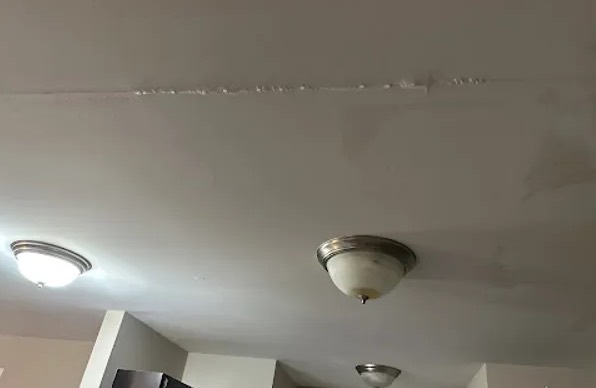
Expert Behind Wall Water Extraction Services for Cement Homes
When a pipe bursts inside a wall in Cement, water can pour out at the floor, through outlets or into the room below. Shutting off the main is the first step.
Homes in Cement and nearby Cyril, Fletcher and Verden have plumbing, wiring and insulation inside their walls, all of which can hide a leak. The pros find the water, open the wall where needed and dry the cavity.
Specialized Behind Wall Water Extraction Methods in Cement
Wet Drywall
Wet drywall from clean water can sometimes be dried in place. Drywall wet with dirty water or for days is usually replaced.
Interior Wall Drying Services
Dry air is pushed into the wall cavity through small holes near the base, while dehumidifiers pull moisture out of the room.
Wall Leak Source Identification
Leak tracing uses readings, thermal images and the pattern of the stain to find where water enters the wall.
Post-Extraction Wall Sanitization
After drying, framing and the back of drywall can be cleaned and treated with an antimicrobial where they stayed wet.
Wall Cavity Water Extraction
Water trapped at the bottom of a wall cavity is drained through small holes or a removed baseboard, then extracted before drying starts.
Indicators You Require Behind Wall Water Extraction in Cement
Sounds of Dripping Inside Walls
Dripping or running water sounds inside a wall when no fixture is on usually mean a pipe leak.
Sudden Spike in Water Bill
A water bill that rises with no change in use can mean a supply line leaking inside a wall.
Increased Humidity in Home
A home that feels more humid than usual can have wet materials inside the walls.
Soft Spots When Pressing Wall
Drywall that gives when pressed has been weakened by water and may need to be cut out.
How Behind Wall Water Extraction Works in Cement
Step 1: Non-Invasive Moisture Detection
Readings through the drywall show the wet area before any holes are made.
Step 2: Strategic Water Extraction
Small access points let water drain and be extracted from the bottom of the cavity.
Step 3: Structural Cavity Drying
Directed airflow dries the studs and plates, with equipment adjusted each day as readings drop.
Step 4: Area Sanitization and Monitoring
Surfaces are cleaned, framing that stayed wet is treated and readings are logged until dry.
Leading Causes of Wall Water Damage in Cement
Leaking Plumbing Inside Walls
Supply lines, drains and fittings inside walls can drip for months before the damage shows.
Foundation Cracks and Seepage
Groundwater seeping through foundation cracks can wet the bottom of lower-level walls.
Overflow From Adjacent Rooms
Water from an overflowing tub or burst line in the next room runs under the wall into its cavity.
Burst Pipe From Freezing
Pipes in exterior walls can freeze, split and leak when temperatures drop.
Behind Wall Water Extraction Services for Any Property in Cement
Residential Behind Wall Water Extraction
Homeowners often want to avoid tearing out whole walls. Drying through small holes or behind removed baseboards saves drywall when readings allow it.
Commercial Behind Wall Water Extraction
Commercial buildings with long plumbing runs can have leaks that travel far inside walls. Readings along the wall show the full extent before work begins.
Should You Attempt Behind Wall Water Extraction Yourself in Cement?
A fan blowing on the outside of a wall will not dry the cavity behind it. Professional drying pushes air into the wall and uses readings to confirm the studs are dry.
Pricing for Behind Wall Water Extraction Services in Cement
Plumbing or roof repairs are billed separately from water removal and drying. In Cement, both are needed to stop the leak for good.
Wall Area Affected
A wet section a few feet wide costs less to dry than water spread along a whole wall or several rooms.
Leak Source Complexity
Leaks that are hard to trace, such as roof water running down a wall, take more inspection time.
Access Method Needed
Drying through small holes costs less than cutting out and replacing large sections of drywall.
Does Insurance Cover Behind Wall Water Extraction?
Photograph the stain, the opened wall and the leaking pipe or fitting before repairs, and keep receipts for emergency extraction and drying.
Benefits of Local Pros for Behind Wall Water Extraction in Cement
Controlled Demolition Practices
Walls are opened only where readings show water, which keeps repairs smaller.
Advanced Moisture Detection
Thermal cameras and meters show water behind walls before anything is opened.
Industry Drying Standards
Drying follows industry water damage standards, with readings taken at every visit.
24/7 Emergency Behind Wall Water Extraction in Cement, Oklahoma
Water coming out of a wall in Cement? Shut off the main water valve, turn off power to that wall and call (405) 565-9833. Help is available 24/7.
Call Now (405) 565-9833Behind Wall Water Extraction Near Cement: Areas Served
Behind-wall water removal and drying also cover homes and businesses in Cyril, Fletcher and Verden, close to Cement, day or night.
- Behind Wall Water Extraction in Cyril
- Behind Wall Water Extraction in Fletcher
- Behind Wall Water Extraction in Verden
- Behind Wall Water Extraction in Anadarko
- Behind Wall Water Extraction in Sterling
- Behind Wall Water Extraction in Chickasha
- Behind Wall Water Extraction in Rush Springs
- Behind Wall Water Extraction in Pocasset
- Emergency Damage Restoration in 73017
- Storm Damage Restoration in 73017
- Water Damage Restoration in 73017
- Water Extraction Service in 73017
- Water Leak Detection in 73017
- Water Removal Service in 73017
Frequently Asked Questions About Behind Wall Water Extraction in Cement
How long does interior wall drying take?
Often several days, depending on how long the wall was wet and whether insulation was removed.
What follows after behind wall water removal?
Once readings are normal, insulation is replaced, drywall is patched and the wall is finished and painted.
How do pros find hidden water damage in walls?
With moisture meters and thermal cameras, which show wet areas behind drywall before anything is opened.
Why is post-extraction wall sanitization important?
Framing that stayed wet, or was reached by drain water, can be cleaned and treated so odors and mold do not develop.
When is wet drywall and insulation removal required?
When drywall is soft, crumbling or wet with dirty water, or when insulation is soaked. Lightly damp drywall can sometimes be dried.