Oklahoma City, OK · Oklahoma County
College & University Damage Restoration in Oklahoma City, OKDormitory Sewage Cleanup & Campus Flood Water Extraction
College & University Damage Restoration for Oklahoma City campuses includes campus flood water extraction, dormitory sewage cleanup, and lecture hall storm damage repair.
Answered 24/7
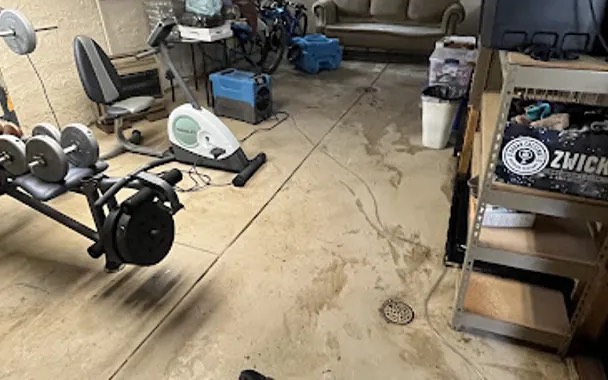
College & University Damage Restoration Pros Serving Oklahoma City Campuses
University lab water damage cleanup demands contamination control to protect experiments. Chemical and biological labs in Oklahoma City house sensitive materials vulnerable to water exposure. Even minor leaks can ruin research projects and damage expensive instrumentation.
Campus water damage in Oklahoma City, from dorm leaks to lab floods, needs careful extraction and drying around sensitive equipment. Local university water extraction experts also handle sewage backups and serve Smith Village, Del City and Valley Brook.
Core College & University Damage Restoration Solutions in Oklahoma City
Dormitory Sewage Cleanup
A failed sewage line in a dormitory requires removal of contaminated water and waste, followed by disinfection. Strict safety procedures are followed for Category 3 water damage.
Campus Flood Water Extraction
Fast water extraction from flooded campus buildings helps protect expensive equipment and building materials. The pros prioritize removal to secure sensitive electronics and academic resources.
Athletic Facility Flood Cleanup
Flooding in gymnasiums, pools, or field houses requires rapid water extraction and drying to prevent damage to flooring, equipment, and building integrity. Large-scale pumps and air movers are deployed.
Student Housing Mold Remediation
Campus housing mold is contained and removed to restore air quality. This protects residents from allergens and irritants.
University Lab Water Damage Cleanup
For lab water incidents in Oklahoma City, cleanup protocols prioritize instrument safety and contamination control. The experts use targeted methods to dry areas around fume hoods and benches.
When to Call for College & University Damage Restoration at Your College
Visible Mold on Drywall or Carpet
Any mold growth in classrooms, dorms or labs needs a professional assessment before people use the space.
Ceiling Tiles Sagging or Stained
Stained ceiling tiles often mean hidden water collecting in the plenum space above the classroom or office.
Peeling Paint in Student Lounges
Paint failure often reveals moisture intrusion behind walls, a task for the pros.
Musty Odors in Dormitory Hallways
Persistent damp smells in residence halls signal potential mold growth, a common issue after college water damage cleanup.
How College & University Damage Restoration Works in Oklahoma City
Step 1: Site Inspection
The experts perform a detailed inspection to plan the university flood restoration response, noting all affected areas.
Step 2: Content Pack-Out and Inventory
Salvageable items are removed, cataloged, and taken for off-site cleaning, protecting assets during dormitory storm damage repair.
Step 3: Demolition of Damaged Materials
Irreparably damaged drywall, insulation, or flooring is removed as part of the academic building fire restoration protocol.
Step 4: Reconstruction Support Services
While reconstruction is separate, the experts in Oklahoma City can provide detailed documentation to streamline the rebuilding phase after student housing mold remediation.
How Damage Originates in College Buildings
Roof Leaks During Heavy Storms
Damaged or aging roofing on academic buildings lets water into ceilings and walls.
Foundation Cracks and Water Seepage
Hydrostatic pressure forces groundwater through cracks, damaging lower-level labs and libraries, a job for higher education facility restoration.
Humidity and Poor Ventilation
Poor ventilation in older dorms and labs lets damp air build up on walls and ceilings, and that lingering moisture needs drying before materials break down.
Sewer Line Backups Into Basements
Blocked main lines can push wastewater into lower levels of residence halls and academic buildings.
Campus and Community College & University Damage Restoration in Oklahoma City
College & University Damage Restoration for Homeowners
In fraternity or sorority houses, the pros perform targeted drying and cleaning. They focus on containing damage in shared living spaces and bedrooms to protect personal property.
College & University Damage Restoration for Owners and Facility Managers
The pros tackle mold in damp areas like locker rooms and pool decks. Their focus is on air quality and structural integrity for public safety.
College & University Damage Restoration vs. DIY: When to Call Local Experts
If you discover a small, isolated mold patch on a bathroom ceiling in student housing, you can clean it with a detergent solution. For any widespread mold, musty odors throughout a unit, or mold recurrence, contact the pros for proper assessment.
Investing in Professional College & University Damage Restoration for Campuses
The investment in dormitory storm damage repair or lecture hall fire restoration is determined by the extent of structural compromise and the materials needed for rebuilding. Matching historical architectural details in older college buildings can involve more specialized craftsmanship.
Scale of Damage
The total square footage affected across campus buildings, from a single lab to multiple dormitories, directly impacts labor, equipment, and material costs for restoration.
Material Sensitivity
Restoring delicate electronics in a university lab or rare books in a campus library demands careful, specialized handling that affects the project scope.
Building Accessibility
Damage in high-rise student housing or secured research labs may require more complex setup for equipment, influencing the time and effort needed.
Does Insurance Cover College & University Damage Restoration?
In cases of academic building fire restoration, property insurance generally covers the resulting fire, smoke, and water damage from firefighting efforts. Coverage for contents and business interruption should be confirmed directly with the insurance provider.
Why Choose Local Experts for College & University Damage Restoration in Oklahoma City
Content Handling Procedures
Sensitive campus library materials or lab equipment are handled with specific protocols during water damage cleanup and restoration.
Odor Removal Techniques
After a sewage backup or fire, pros use specialized equipment like ozone generators or hydroxyl machines to address persistent odors in dormitories.
Structural Drying Expertise
Large-scale drying of lecture halls or athletic facilities requires strategic placement of industrial air movers and dehumidifiers by experts.
Round-the-Clock College & University Damage Restoration for Academic Emergencies
For 24/7 assistance with student housing mold removal following a leak, or for any suspected mold growth, contact the pros at (405) 565-9833.
Call Now (405) 565-9833College & University Damage Restoration Near Oklahoma City: Areas Served
The pros offer university lab water damage and other key services for Oklahoma City and locales like Smith Village, Del City and Valley Brook.
Frequently Asked Questions About College & University Damage Restoration
What does university property damage restoration include?
It encompasses the full sequence from emergency water extraction and drying to cleaning, sanitization, and repair for all types of damage across campus facilities.
How is dormitory sewage cleanup handled safely?
Local pros wear full PPE, isolate the area, extract the contaminated water, then disinfect all affected surfaces following strict protocols for Category 3 water damage.
Why use college building drying services after a leak?
Professional drying reaches moisture deep inside walls and subfloors, which simple air drying misses.
What is involved in campus flood water extraction?
The process uses truck-mounted extractors and portable pumps to remove standing water from basements, ground floors, and athletic facilities, followed by drying to protect structures.
Are there health risks with university lab water damage?
Risks can include electrical hazards, chemical exposure, or biological contaminants. Pros assess these risks first and follow appropriate safety and cleanup protocols.