Cement, OK · Caddo County
Groundwater Seepage Removal in Cement, OKGroundwater Seepage Removal & Slab Leak Water Cleanup
Groundwater Seepage Removal in Cement covers foundation water extraction, basement water seepage cleanup and crawl space water removal.
Answered 24/7
Local Pros for Groundwater Seepage Removal in Cement
In Cement, seepage that is left alone leads to mold, rot and musty smells. Local water damage pros extract the water and dry the wet materials.
Groundwater seepage in Cement brings persistent moisture from the soil into foundations and slabs. Local water damage pros extract the water and dry the structure for homes in Cement. Nearby areas like Cyril, Fletcher and Verden also have access to this groundwater removal service.
The Groundwater Seepage Removal Process in Cement
Groundwater Seepage Removal
Groundwater comes in through the foundation or up through the slab. The pros in Cement remove the standing water so floors, walls and stored items stop soaking it up.
Slab Leak Water Cleanup
Cleanup after a slab leak focuses on removing the water that has escaped into the foundation base.
Crawl Space Water Removal
The removal process involves pumping out the water and beginning the drying process for the space and the soil vapor barrier, a critical step for home health.
Wet Basement Drying Services
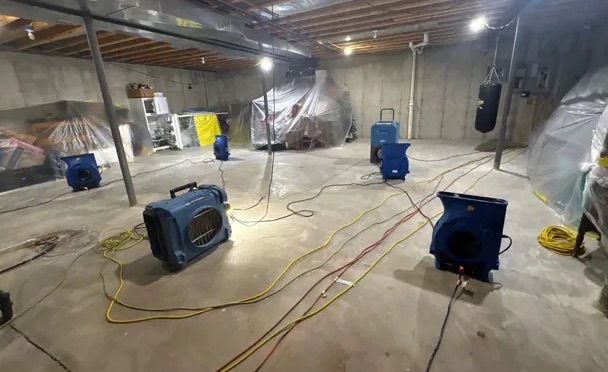
The pros set up a drying system to remove moisture from the air, walls, and concrete, preventing musty odors and mold growth.
Slab Seepage Cleanup
Groundwater can push up through cracks and joints in a concrete slab, leaving damp flooring and musty corners.
Indicators of Groundwater Damage in Cement
Cracking or Bowing Foundation Walls
Cracks that widen or doors that start sticking can be worsened by hydrostatic pressure from wet soil.
Warped Wooden Floor Joists
Sagging or warped framing lumber in a basement means it has been wet for a long time and needs drying.
Mold on Baseboards
Mold starting at floor level often traces back to seepage through the slab or wall joint.
Musty Odors in Lower Levels
A lingering earthy or musty smell often means groundwater is getting in somewhere and materials are staying damp.
How Groundwater Seepage Removal Works in Cement
Step 1: Seepage Source and Damage Inspection
This includes checking how much groundwater is seeping in and where it enters at the foundation.
Step 2: Water Removal from Affected Areas
Water is removed from basements, crawl spaces and along the foundation with pumps and extractors.
Step 3: Drying and Dehumidifying the Structure
Drying equipment pulls moisture out of the wood, concrete and insulation so mold and rot do not start.
Step 4: Final Check and Documentation
A final check confirms the area is dry, and documents are prepared for your insurance claim.
Sources of Groundwater Intrusion in Cement
Leaking Underground Water Lines
Breaks in buried supply or drain pipes can saturate the soil around a foundation and push water under the slab.
High Water Table Conditions
When the water table rises in wet seasons, water pressure pushes moisture through cracks in the slab and walls.
Poor Exterior Drainage Grading
Soil that slopes toward the foundation directs rainwater and groundwater into basement walls, causing seepage over time.
Inadequate or Faulty Sump Pump
A sump pump that is too small, clogged or broken lets groundwater build up in the basement or crawl space.
Groundwater Seepage Removal for All Properties in Cement
Residential Groundwater Seepage Removal
Residential crawl space water removal stops mold and wood rot. Photos and moisture data are taken for your records and insurance needs.
Commercial Groundwater Seepage Removal
Groundwater seepage removal for retail or office spaces ensures safety. Documentation for insurance is thorough; always confirm specifics with your provider.
Groundwater Seepage Removal vs. DIY: When to Call the Pros
If you notice minor dampness, you can immediately move valuables and furniture away from the affected area to prevent further damage. Use a wet-dry vacuum to remove any standing water you can safely access.
Groundwater Seepage Removal Cost in Cement, OK
The cost of groundwater seepage removal in Cement depends mostly on how large the wet area is and how deeply the water soaked into the materials.
Restoration Work Needed
If seepage ruined drywall or flooring, removing and replacing it is a separate cost.
Required Drying Time
Deeply soaked concrete or closed crawl spaces take longer to dry, which adds equipment days and visits.
Extent of Saturation
The size of the wet area and how deep the water went into concrete and wood set the scope of the job.
Does Insurance Cover Groundwater Seepage Removal?
Insurance coverage for basement water seepage hinges on a policy's definitions, as groundwater intrusion is frequently excluded. The experts create a detailed damage report with photos and readings. Homeowners should review their policy and speak with their insurance agent.
Selecting Local Pros for Groundwater Seepage Removal in Cement, Oklahoma
Advanced Moisture Detection
Moisture meters find dampness in slabs and walls that you might not notice.
Sequenced Restoration Approach
Work follows a set order: extraction, drying, cleaning and a final check of the readings.
Specialized Crawl Space Access
The pros have the equipment to work safely in tight, hard-to-reach crawl spaces.
Round-the-Clock Groundwater Seepage Removal in Cement, OK
Help with groundwater seepage is available day and night. If water is coming in, call (405) 565-9833 for water removal in Cement before it spreads further.
Call Now (405) 565-9833Groundwater Seepage Removal Coverage for Cement, Cyril, Fletcher and Verden
Groundwater cleanup starts with extraction. Help is available for homes in Cement and nearby Cyril, Fletcher and Verden.
- Groundwater Seepage Removal in Cyril
- Groundwater Seepage Removal in Fletcher
- Groundwater Seepage Removal in Verden
- Groundwater Seepage Removal in Anadarko
- Groundwater Seepage Removal in Sterling
- Groundwater Seepage Removal in Chickasha
- Groundwater Seepage Removal in Rush Springs
- Groundwater Seepage Removal in Pocasset
- Emergency Damage Restoration in 73017
- Storm Damage Restoration in 73017
- Water Damage Restoration in 73017
- Water Extraction Service in 73017
- Water Leak Detection in 73017
- Water Removal Service in 73017
Groundwater Seepage Removal in Cement: Your Questions
How long does groundwater removal typically take?
It depends on how wet things are. Extraction may take hours, while drying the structure usually takes several days.
Can seepage lead to other problems besides water damage?
Yes. Ongoing dampness can lead to mold, wood rot and musty smells, which can bother people with allergies.
What equipment is used for water damage restoration?
Submersible pumps, wet vacuums, dehumidifiers, air movers and moisture meters, plus thermal cameras to find hidden water.
What happens during the groundwater cleanup process?
Stopping the water if possible, extracting what is standing, drying all wet materials, cleaning surfaces and checking that everything is dry.
How do pros find the source of groundwater intrusion?
They look for cracks, poor drainage or soil sloping toward the house, and use moisture meters to trace the water's path inside.