Cushing, OK · Payne County
HVAC Leak Water Removal in Cushing, OKMoisture Remediation For HVAC Systems & Wet Insulation Removal Near HVAC
HVAC Leak Water Removal in Cushing includes emergency HVAC leak cleanup, wet insulation removal near HVAC and coil leak water damage repair.
Answered 24/7
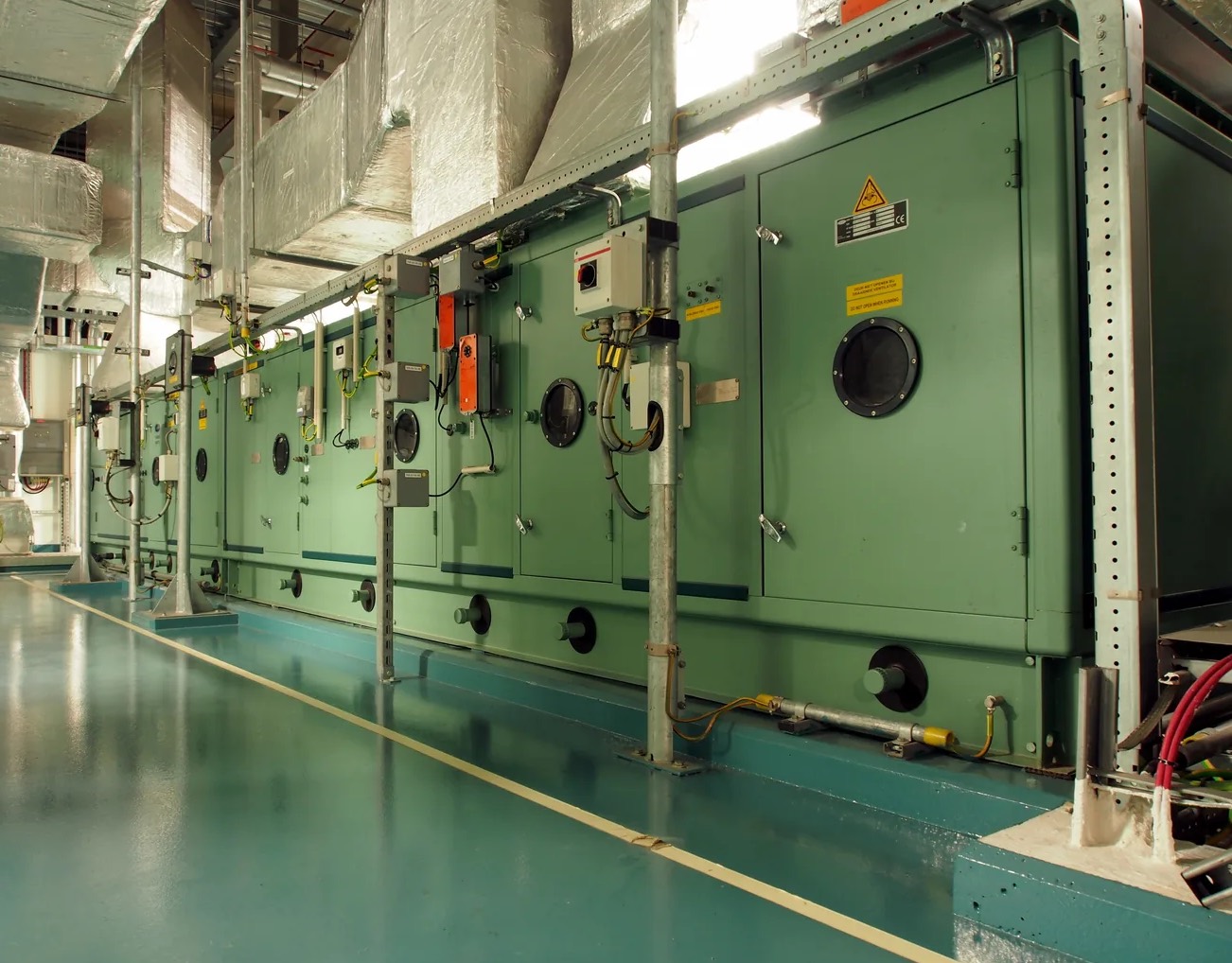
HVAC Leak Water Removal Solutions in Cushing
A leaking coil in Cushing creates two jobs. An HVAC contractor repairs the coil, and the water that already escaped has to be removed and dried.
When an HVAC leak occurs in Cushing, water needs to come out quickly to protect interior finishes and electrical systems. Local water removal pros serve this community and nearby areas like Agra, Tryon and Perkins, extracting water around the unit and drying wet ductwork before damage spreads.
HVAC Leak Water Removal Services in Cushing
Moisture Remediation for HVAC Systems
After the water is out, the air in the room is still damp. Dehumidifiers run until humidity is back to normal, which lowers the risk of mold.
Wet Insulation Removal Near HVAC
Fiberglass insulation soaked by an HVAC leak becomes heavy and ineffective. Experts carefully remove this material to access hidden moisture.
HVAC Drain Line Flood Cleanup
A backed-up HVAC drain line can flood a closet or utility area in Cushing. The water is extracted and drying starts on the floor and lower walls.
Emergency HVAC Leak Cleanup
An overflowing secondary pan or a broken drain line needs cleanup right away. The pros mobilize to extract water and assess electrical safety.
Ductwork Condensation Water Removal
Cold air inside ducts meeting warm, humid air causes sweating and droplets. Condensation soaks insulation and damages ceiling materials.
Warning Signs You Need HVAC Leak Water Removal
Musty Odors Near Air Vents
A musty smell when the system runs can point to wet insulation or mold inside the unit or ducts.
Condensation Dripping From Ducts
Water droplets or streaks on metal ductwork mean the ducts are sweating, and the water is landing somewhere below.
Wet or Sagging Insulation Nearby
Damp insulation around an attic unit or in nearby walls holds water against the drywall and framing.
Mold on Air Handler
Visible mold on the unit, the ducts or nearby drywall usually means water has been there for a while.
How HVAC Leak Water Removal Works in Cushing
Step 1: Water Removal Initiation
The pros use pumps and wet vacuums to remove the bulk water from a flooded drain line area.
Step 2: Detailed Moisture Detection
Meters and thermal cameras check concealed spaces so no wet spot behind a wall or above a ceiling is missed.
Step 3: Controlled Drying Environment
Professionals create a controlled environment with dehumidifiers and air movers to dry wet ductwork, insulation and building materials.
Step 4: Final Clearance and Prevention Advice
A final check confirms everything is dry, and you get tips on keeping the condensate drain clear.
Common Causes of HVAC Water Leaks in Cushing
Refrigerant Leak at the Coil
A pinhole leak in the evaporator coil itself can allow refrigerant and moisture to escape simultaneously.
Improper HVAC System Slope
An air handler or drain line installed without correct pitch prevents gravity-driven water flow to the drain.
Clogged Condensate Drain Line
Algae, sludge, or debris blocking the primary drain pipe causes water to back up into the HVAC cabinet.
High Static Pressure in Ducts
An oversized system or closed vents can upset airflow and drainage, so condensate does not drain as it should.
Residential and Commercial HVAC Leak Water Removal in Cushing
Residential HVAC Leak Water Removal
In homes with basements or a second-floor unit, an overflow can soak finished rooms below. The water is extracted and the ceiling, walls and floor are dried.
Commercial HVAC Leak Water Removal
In commercial buildings, the pros tackle HVAC drain line flood cleanup affecting server rooms, drop ceilings, and stock areas. They use industrial extractors and dehumidifiers for extraction and structural drying.
HVAC Leak Water Removal: DIY or Call Water Damage Pros in Cushing
You can inspect the condensate drain line's outside termination for blockages. Gently pouring distilled vinegar down the drain may clear minor algae. Check and replace a dirty air filter. Do not open the HVAC cabinet or handle electrical components.
HVAC Leak Water Removal Pricing Considerations in Cushing
Calls at night or on weekends can change the rate for HVAC leak water removal. Dirty water from a drain line also adds cleaning steps to the job.
HVAC System Accessibility
Units in tight closets or attics take more labor to reach, clean around and dry.
Affected Components and Materials
Wet insulation, damaged ductwork or wiring near the flooded unit each add work to the job.
Extent of Water Spread
Water from a leaking AC can travel along ducts and inside walls, which makes the drying area larger.
Does Insurance Cover HVAC Leak Water Removal?
For HVAC water cleanup, a policy may cover the water damage but not fixing the failed part. The pros document the wet area and the drying, and the insurer makes the coverage decision.
Advantages of Local Pros for HVAC Leak Water Removal in Cushing
HVAC-Specific Moisture Detection
Moisture meters and thermal cameras find water in ducts, insulation and cabinets that you cannot see.
24/7 Emergency Response
Getting to a leaking AC early limits how far water spreads and how much it rusts parts in the unit.
Detailed Damage Documentation
Photos and meter readings of the water damage give your adjuster clear records for the claim.
24/7 Emergency HVAC Leak Water Removal in Cushing
Time is critical when dealing with wet ductwork from a coil leak. To initiate emergency HVAC water extraction and drying, call the pros at (405) 565-9833.
Call Now (405) 565-9833HVAC Leak Water Removal Near Cushing: Areas Served
Emergency water removal around a flooded HVAC unit is available throughout Cushing and nearby communities, including Agra, Tryon and Perkins. Quick action limits damage to sensitive components.
- HVAC Leak Water Removal in Agra
- HVAC Leak Water Removal in Tryon
- HVAC Leak Water Removal in Perkins
- HVAC Leak Water Removal in Stroud
- HVAC Leak Water Removal in Carney
- HVAC Leak Water Removal in Stillwater
- HVAC Leak Water Removal in Chandler
- HVAC Leak Water Removal in Bristow
- Emergency Damage Restoration in 74023
- Storm Damage Restoration in 74023
- Water Damage Restoration in 74023
- Water Extraction Service in 74023
- Water Leak Detection in 74023
- Water Removal Service in 74023
Frequently Asked Questions About HVAC Leak Water Removal
Is emergency HVAC leak cleanup necessary?
It is when water is spreading. Removing it early keeps it from reaching walls, ceilings and the rooms nearby, which keeps the damage smaller.
What causes an HVAC drain line to flood?
Algae, sludge or debris clog the condensate drain and the pan overflows. A disconnected or cracked drain line can also send water onto the floor.
How is moisture removed from HVAC ductwork?
Air movers and dehumidifiers dry the area around the ducts. Duct sections or lining that stayed wet may need cleaning or replacing by an HVAC contractor.
What documentation do pros provide for insurance?
The pros take photos and moisture readings and keep a drying log of the cleanup that you can send to your insurer.
What happens during coil leak water damage repair?
The pros remove the water and dry the coil area. The coil itself is serviced or replaced by an HVAC contractor to stop the leak.