Smith Village, OK · Oklahoma County
HVAC Leak Water Removal in Smith Village, OKDuctwork Condensation Water Removal & Emergency HVAC Leak Cleanup
HVAC Leak Water Removal in Smith Village covers AC condensate leak water removal, HVAC cabinet water extraction, and emergency HVAC leak cleanup.
Answered 24/7
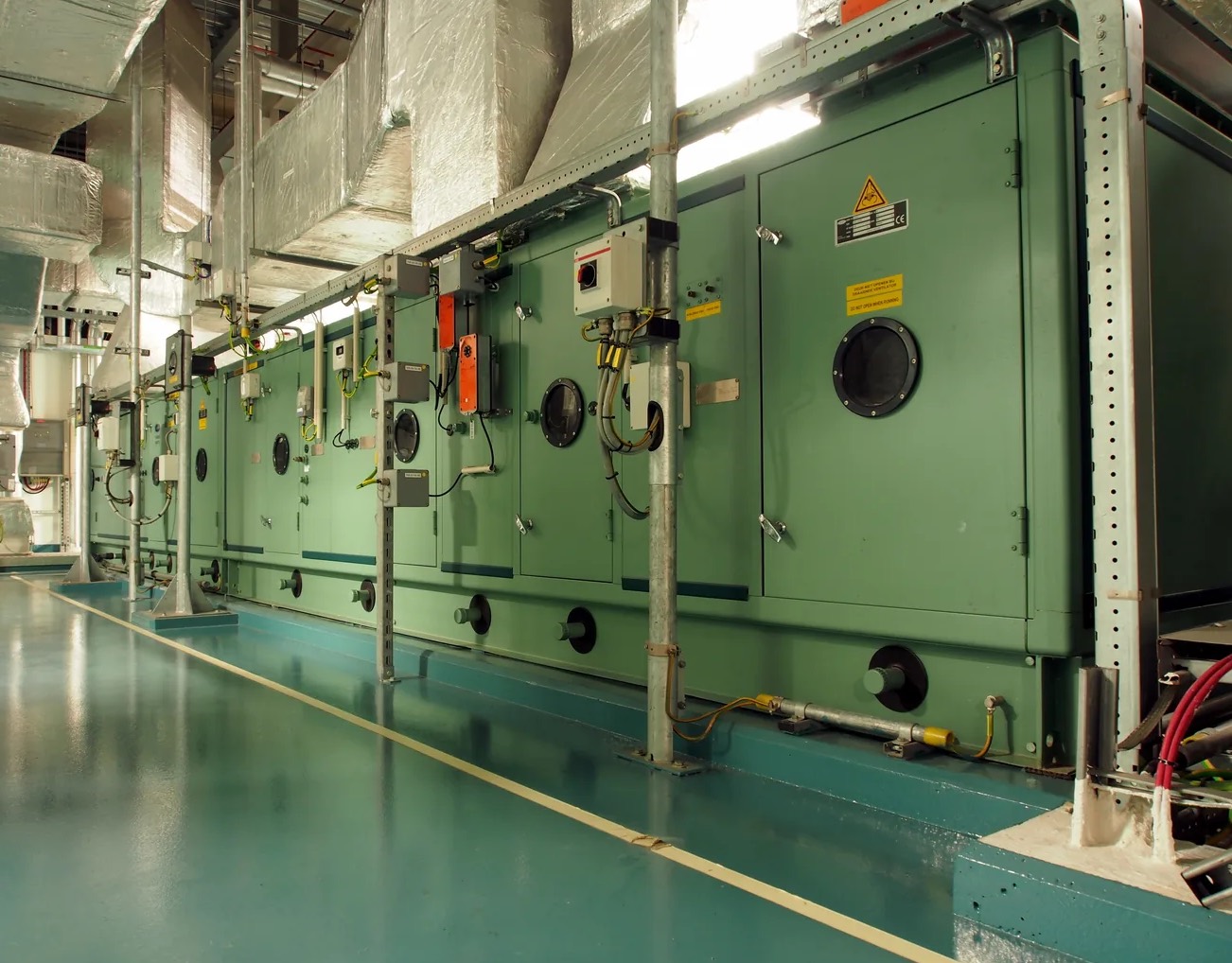
HVAC Leak Water Removal Services for Smith Village Residents
Most air conditioner water damage in Smith Village starts with a clogged drain line or a cracked pan. The leak is often slow, so drywall, flooring and insulation soak for days before anyone sees a stain.
When an HVAC leak occurs in Smith Village, water needs to come out quickly to protect interior finishes and electrical systems. Local water removal pros serve this community and nearby areas like Del City, Midwest City and Valley Brook, extracting water around the unit and drying wet ductwork before damage spreads.
HVAC Leak Water Removal Services in Smith Village
Ductwork Condensation Water Removal
Condensation on ductwork in a crawlspace creates a damp, mold-conducive environment. Cleanup requires removing moisture from ducts and the space.
Emergency HVAC Leak Cleanup
A sudden major leak from a ruptured line or failed coil requires emergency cleanup. The priority is stopping the source and extracting standing water.
Wet Insulation Removal Near HVAC
Saturated insulation near the HVAC unit loses R-value and can foster mold. Removal is often necessary for a proper dry-out.
HVAC Cabinet Water Extraction
Standing water in the cabinet rusts the pan, panels and fasteners. Getting it out early stops that, and the cabinet is dried before the system runs again.
HVAC Drain Line Flood Cleanup
A completely blocked primary condensate drain line can overflow the secondary pan. Cleanup requires extracting the spilled water and clearing the line.
Red Flags for HVAC Leak Water Removal in Smith Village
Mold on Air Handler
Visible mold on the unit, the ducts or nearby drywall usually means water has been there for a while.
Unusual Sounds From the AC Unit
Gurgling, dripping, or hissing noises from the indoor unit frequently accompany a condensate drainage failure.
AC Drain Line Overflowing
Water spilling from the condensate drain line or its overflow port means the drain is blocked and needs attention now.
Stained Ceilings or Walls Near Vents
Stains on drywall or ceilings around supply vents often trace back to ducts that are sweating or leaking.
How HVAC Leak Water Removal Works in Smith Village
Step 1: Water Removal Initiation
Local water removal pros use pumps and wet vacuums to remove the bulk water from a flooded drain line area.
Step 2: Detailed Moisture Detection
Meters and thermal cameras check concealed spaces so no wet spot behind a wall or above a ceiling is missed.
Step 3: Controlled Drying Environment
Professionals create a controlled environment with dehumidifiers and air movers to dry wet ductwork, insulation and building materials.
Step 4: Final Clearance and Prevention Advice
A final check confirms everything is dry, and you get tips on keeping the condensate drain clear.
Frequent Sources of HVAC Leak Water Damage in Smith Village
Cracked or Disconnected Drain Pan
A damaged or misaligned secondary drain pan beneath the evaporator coil fails to catch condensation overflow.
Refrigerant Leak at the Coil
A pinhole leak in the evaporator coil itself can allow refrigerant and moisture to escape simultaneously.
Frozen Evaporator Coil Thawing
A coil freezing due to low refrigerant or airflow can release large volumes of water upon thawing.
Improper HVAC System Slope
An air handler or drain line installed without correct pitch prevents gravity-driven water flow to the drain.
Residential and Commercial HVAC Leak Water Removal in Smith Village
Residential HVAC Leak Water Removal
In homes, water from a utility closet can reach hardwood floors, cabinets and stored items. The pros dry those materials and wet duct sections near the unit.
Commercial HVAC Leak Water Removal
In commercial buildings, mechanical rooms and the spaces under them are checked for water and dried, with readings recorded for the building manager.
When DIY Fails for HVAC Leak Water Removal in Smith Village
A hygrometer can show if indoor humidity is too high, and keeping supply vents open helps airflow. If you see mold inside ducts or smell something musty, DIY cleaning will not reach it. Call (405) 565-9833 for drying help.
Understanding HVAC Leak Water Removal Costs in Smith Village
The pros in Smith Village price the job based on how long the leak ran and how much it damaged. Wet ducts inside walls or ceilings take extra work to reach.
Leak Source and Severity
Whether the leak came from a drain line, the coil or the pan changes how much water there is and where it went.
Drying Time and Equipment
The number of days ducts and materials take to dry decides how long the dehumidifiers run.
Emergency Service Timing
HVAC leak cleanup started at night, on weekends or on holidays may be billed at a different rate.
Does Insurance Cover HVAC Leak Water Removal?
For a flooded HVAC drain line, coverage often depends on whether the leak was sudden or came from skipped maintenance. Records of the damage and the cleanup go to your insurer, who decides.
Why Local Experts for HVAC Leak Water Removal in Smith Village
Focused on System Integrity
The goal is a dry unit area and dry materials around it, so the system can run safely again.
Component-Safe Water Removal
Work around the unit is done carefully so coils, wiring and control boards are not damaged further.
HVAC-Specific Moisture Detection
Moisture meters and thermal cameras find water in ducts, insulation and cabinets that you cannot see.
Emergency HVAC Leak Water Removal Services in Smith Village
Water damaged HVAC components risk mold and system failure. For HVAC leak water removal in Smith Village, call (405) 565-9833 at any hour.
Call Now (405) 565-9833HVAC Leak Water Removal Near Smith Village: Areas Served
In Smith Village, help with HVAC leak water removal covers coil leaks and drain pan overflows, and also reaches nearby Del City, Midwest City and Valley Brook.
- HVAC Leak Water Removal in Del City
- HVAC Leak Water Removal in Midwest City
- HVAC Leak Water Removal in Valley Brook
- HVAC Leak Water Removal in Forest Park
- HVAC Leak Water Removal in Lake Aluma
- HVAC Leak Water Removal in Nicoma Park
- HVAC Leak Water Removal in Spencer
- HVAC Leak Water Removal in Moore
- Emergency Damage Restoration in 73123
- Storm Damage Restoration in 73123
- Water Damage Restoration in 73123
- Water Extraction Service in 73123
- Water Leak Detection in 73123
- Water Removal Service in 73123
HVAC Leak Water Removal FAQ for Smith Village Homeowners
What is moisture remediation for HVAC systems?
It means removing excess moisture, drying all components and bringing humidity back to normal levels around the system.
How long does wet ductwork drying typically take?
It depends on how much water there is and how easy it is to reach. Most jobs take two to four days of drying with commercial equipment.
Why is quick action critical for a flooded HVAC unit?
Water can damage the unit's wiring, rust metal parts and soak into walls and floors, which makes repairs larger and more expensive.
How is moisture removed from HVAC ductwork?
Air movers and dehumidifiers dry the area around the ducts. Duct sections or lining that stayed wet may need cleaning or replacing by an HVAC contractor.
What documentation do pros provide for insurance?
The pros take photos and moisture readings and keep a drying log of the cleanup that you can send to your insurer.