Cushing, OK · Payne County
Industrial Dehumidification in Cushing, OKEmergency Water Removal & Mold Remediation Services
Industrial Dehumidification in Cushing includes emergency water removal, commercial water damage cleanup and industrial flood damage restoration.
Answered 24/7
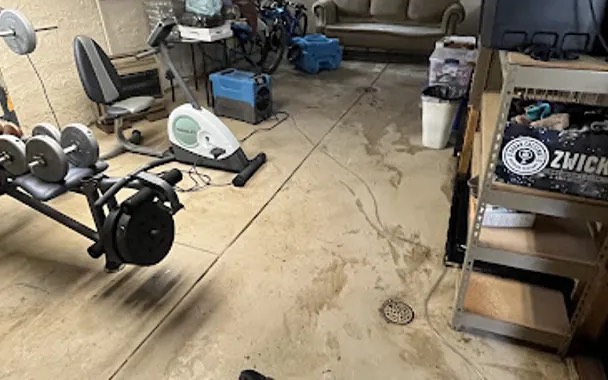
Industrial Drying Services for Cushing Properties
In Cushing, flooding in industrial buildings comes from broken supply lines, failed equipment or storms. Acting quickly limits lost work time and further damage.
Industrial dehumidification needs in Cushing and surrounding communities like Agra, Tryon and Perkins are handled by experienced water damage restoration pros. They manage everything from humidity control systems to flood cleanup on large sites. Help is available 24/7 whenever moisture problems come up.
Professional Industrial Dehumidification in Cushing
Emergency Water Removal
After a flood, standing water has to come out first. Pumps and extractors remove it so drying can begin.
Mold Remediation Services
Mold in a commercial building indicates a deeper moisture issue. The pros use industrial dehumidifiers to create a dry environment that inhibits mold.
Industrial Humidity Reduction Systems
Installing a humidity reduction system provides long-term protection. Local water damage restoration pros in Cushing can recommend and set up tailored equipment.
Disaster Recovery Drying
Recovering from a widespread water event requires professional drying resources. Industrial dehumidification units run continuously to remove the immense volume of moisture introduced.
Industrial Flood Damage Restoration
Restoring a flooded plant requires drying the entire environment. Pros reach moisture in high ceilings, equipment pits and storage areas.
Signs of Water Damage Requiring Industrial Dehumidification in Cushing
Stained Ceilings or Walls
Yellow or brown water stains show where past leaks happened and where moisture may still be.
Warped or Buckling Materials
Swollen wood, peeling paint or distorted flooring are signs of too much moisture in the building.
Damp Insulation or Drywall
Wet materials behind walls or above ceilings stay wet for weeks without forced drying and can rot.
Peeling Adhesives or Labels
Boxes losing their shape and labels peeling off mean the storage area is holding too much moisture.
How Industrial Dehumidification Works in Cushing
Step 1: Site Assessment and Inspection
An inspection finds the water sources, the wet materials and how much cleanup is needed.
Step 2: Containment and Water Removal
Containment is set up if needed, then industrial extractors remove the bulk water.
Step 3: Deploy Drying Equipment
Desiccant and refrigerant dehumidifiers and air movers are placed to dry the building.
Step 4: Continuous Monitoring and Adjustment
Equipment runs around the clock, and humidity is checked so the setup can be adjusted as areas dry.
Reasons for Industrial Flood Damage in Cushing
Appliance Malfunctions and Overflows
Water heater failures or broken process lines can flood large areas suddenly.
Process Water or Chemical Spills
Industrial processes that use liquids carry a constant risk of accidental spills and releases.
Burst Pipes or Plumbing Leaks
Failed supply lines, faulty fittings, or cracked pipes can release thousands of gallons.
HVAC System Condensation Issues
Cooling systems that are poorly maintained or oversized can produce a lot of condensation and raise humidity.
Industrial Dehumidification for Residential and Commercial Clients in Cushing
Residential Industrial Dehumidification
Water damage from appliance overflows, AC leaks and roof problems affects homeowners in Cushing. Pros dry the structure with dehumidifiers to remove hidden moisture.
Commercial Industrial Dehumidification
In businesses, leaks and high humidity lead to downtime and lost stock. Industrial dehumidifiers dry the facility so it can get back to work.
DIY Moisture Control vs. Professional Industrial Dehumidification in Cushing
Throwing out ruined cardboard or soaked insulation is something a property manager can do. Building materials that may have mold should be removed by pros using containment.
Understanding Industrial Dehumidification Costs in Cushing
The cost of industrial dehumidification in Cushing depends mainly on how much water got in and the square footage that needs drying.
Equipment Quantity
The number of dehumidifiers, air movers and meters needed grows with the size of the flood.
Mold Remediation Needs
If mold is found, containment, removal and air scrubbing are added to the job.
Structural Material Type
Concrete, wood and steel dry differently, which changes the approach and the time.
Does Insurance Cover Industrial Dehumidification?
Structural drying services after a leak are often covered if the cause is a sudden, accidental peril named in the policy, such as a burst pipe. Homeowners should always verify deductibles, limits, and specific requirements directly with their insurance company before work proceeds.
Why Cushing Properties Need Local Pros for Industrial Dehumidification
Industrial-Grade Equipment
High-capacity dehumidifiers and air movers are sized for warehouses and other large spaces.
Clear Process Communication
You get regular updates on drying progress and how long the job should take.
Structural Material Knowledge
Concrete, wood and drywall dry at different rates, and the plan accounts for each.
Emergency Industrial Dehumidification in Cushing, OK
The longer water sits in a commercial building, the more damage and mold it causes. For industrial drying in Cushing, call (405) 565-9833 around the clock.
Call Now (405) 565-9833Local Industrial Dehumidification Areas: Cushing and Beyond
Help with industrial dehumidification is available for businesses in Cushing and nearby Agra, Tryon and Perkins dealing with water damage or high humidity.
- Industrial Dehumidification in Agra
- Industrial Dehumidification in Tryon
- Industrial Dehumidification in Perkins
- Industrial Dehumidification in Stroud
- Industrial Dehumidification in Carney
- Industrial Dehumidification in Stillwater
- Industrial Dehumidification in Chandler
- Industrial Dehumidification in Bristow
- Emergency Damage Restoration in 74023
- Storm Damage Restoration in 74023
- Water Damage Restoration in 74023
- Water Extraction Service in 74023
- Water Leak Detection in 74023
- Water Removal Service in 74023
Industrial Dehumidification FAQs
How long does industrial flood damage restoration take?
It depends on how much water there was, what got wet and the humidity. Large jobs often take several days to a few weeks.
What areas need drying after a warehouse flood?
All wet areas: floors, walls, stored contents and often the subfloor and insulation as well.
How is drying progress monitored?
The pros take moisture readings from materials and the air each day and keep drying logs that show progress.
Can humidity control prevent future mold problems?
Keeping warehouse humidity low with dehumidifiers protects stored goods and the building from moisture damage.
What is the first step in emergency water removal?
The initial critical step is extracting all standing water using truck-mounted or portable pumps and extractors.