Oklahoma City, OK · Oklahoma County
Library Damage Restoration in Oklahoma City, OKEmergency Library Water Extraction & Library Mold Remediation
Library Damage Restoration in Oklahoma City covers library storm damage repair, library mold remediation and emergency library water extraction.
Answered 24/7
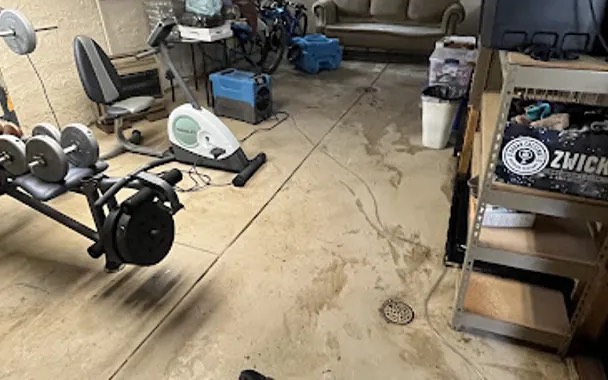
Specialized Library Damage Restoration in Oklahoma City, Oklahoma County
In Oklahoma City, storm damage to libraries often means roof leaks, broken windows and power loss that leave the building damp. Fast drying and climate control prevent secondary damage.
Storm damage restoration for libraries serving Oklahoma City, Smith Village, Del City and Valley Brook focuses on addressing leaks and moisture intrusion that can warp shelves and ruin books. Library damage restoration pros implement library storm damage repair.
Library Damage Restoration Services in Oklahoma City
Emergency Library Water Extraction
Emergency library water extraction in Oklahoma City is available 24/7. The pros prioritize stopping the water source and extracting all visible moisture.
Library Mold Remediation
Hidden moisture in libraries often leads to mold growth on books and walls. Specialized techniques remove mold colonies and spores from surfaces.
Library Humidity Control Services
Uncontrolled humidity is a silent threat to library archives and furnishings. Implementing proper ventilation and dehumidification protects against warping and mold.
Library Fire Damage Restoration
Fire and smoke can devastate library materials and infrastructure. The cleanup involves odor removal and soot mitigation from books and surfaces.
Library Sewage Cleanup
Sewage backups pose serious health risks in library environments. The pros follow strict protocols for containment and removal. Thorough disinfection makes the library safe again.
Common Library Damage Signs in Oklahoma City
Condensation on Windows and Glass
Excess humidity inside the library leads to condensation, promoting mold and damaging book bindings and archival materials.
High Indoor Humidity Readings
High humidity readings in archive storage mean paper can warp, stick together or grow mold.
Warped or Buckled Flooring
Humid conditions or past flooding can cause hardwood or laminate floors in library aisles to swell and distort.
Visible Mold on Books or Walls
Fuzzy spots on book covers or drywall are mold, usually from damp air or a past leak.
How Library Damage Restoration Works in Oklahoma City
Step 1: Hazard Containment and Safety Setup
The area is made safe first, with barriers around sewage or soot to protect clean areas.
Step 2: Structural Drying and Dehumidification
Focused drying targets hidden moisture in walls, ceilings, and under floors. Professional-grade dehumidifiers work continuously to achieve proper drying goals.
Step 3: Mold Remediation and Air Scrubbing
If mold is discovered, the experts use HEPA filtration and air scrubbers to clean the air while removing and treating affected materials.
Step 4: Final Sanitization and Odor Neutralization
The space receives a final sanitization. Advanced odor removal techniques, such as thermal fogging, are used to eliminate any lingering smoke or mildew smells.
Typical Sources of Library Flooding and Leaks
Improper Ventilation in Storage Areas
Stale, humid air in closed stacks or storage rooms lets mold grow on books and shelving.
Burst Pipes or Plumbing Failures
Failing pipes inside walls or ceilings can release large amounts of water into the library.
Severe Weather and Flooding
Heavy rains and flash floods can overwhelm drainage, leading to ground-level flooding and extensive storm damage restoration for libraries.
Historical Document Storage Conditions
Inadequate climate control in special collections rooms can slowly damage fragile materials through humidity fluctuations and mold growth.
Library Restoration for Public and Private Collections in Oklahoma City
Water Damage Help for Homes
Homeowners with large book collections may need book drying after a leak or spill. The pros in Oklahoma City dry the books and shelves and document the damage for your insurance claim.
Library Damage Restoration for Owners and Managers
Institutional libraries require book restoration professionals for delicate archive recovery after fire or water events. Library fire damage restoration focuses on soot removal and odor control for the building and collections.
Handling Library Damage: DIY or Call Library Water Extraction Experts?
If you discover a minor leak, you can place buckets to catch water and move books or furniture away from the immediate area. For any significant water, call the experts to prevent structural damage and mold.
Factors Affecting Library Damage Restoration Price in Oklahoma City
The source of the water, whether clean, grey, or contaminated sewage, dictates the safety protocols and cleanup rigor needed. Sewage cleanup demands more stringent decontamination than a supply line leak.
Containment Needs
Containment keeps mold spores and soot away from undamaged collections. Building containment barriers and managing airflow adds to project steps.
Damage Severity
A minor leak in a corner differs from a ceiling collapse that soaked entire stacks.
Drying Duration
Books and documents dry slowly to prevent warping and mold. Extended humidity control with professional dehumidifiers runs for days, affecting resource use.
Does Insurance Cover Library Damage Restoration?
The cause of the damage is the primary factor for insurance. Storm damage or fire is often covered, while flooding from external sources typically requires a separate flood insurance policy.
Benefits of Local Experts for Library Restoration
Advanced Humidity Control
Industrial dehumidifiers and air movers target ambient moisture in library archives. The space is cleaned and stabilized.
Detailed Documentation
Thorough notes, photos, and moisture maps are created for your records. This documentation provides a clear account of the damage and restoration steps.
Containment Protocols
Setting up physical barriers helps isolate affected areas from clean collections. This limits the spread of contaminants and mold spores.
Round-the-Clock Library Damage Restoration for Oklahoma City Libraries
Fire damage leaves soot and corrosive residues on books and surfaces. Fast soot removal prevents permanent staining. Reach the pros at (405) 565-9833 for 24/7 emergency response.
Call Now (405) 565-9833Library Damage Restoration Across Oklahoma City and Neighboring Towns
Emergency water extraction and repair protect library collections in Oklahoma City. The experts provide these services throughout Oklahoma City and nearby Smith Village, Del City and Valley Brook.
Frequently Asked Questions About Library Damage Restoration
Is historical document restoration possible after fire?
Soot and odor can often be cleaned from older items. Each document is checked for fragility before a cleaning method is chosen.
Can books damaged by water be saved?
Many can be saved with controlled drying, such as freeze-drying, air drying or vacuum drying, which removes moisture without warping or mold.
What is the process for book and document drying?
Items are stabilized, often frozen to halt damage, then dried slowly in controlled chambers. The method depends on the material type, from modern paper to parchment.
Why does library damage restoration need special care?
Libraries contain unique materials like books, microfilm, and special collections that require specific drying and cleaning techniques not used in standard home restoration.
Why is emergency library restoration critical?
Quick action limits swelling, warping and mold. Water extraction and humidity control keep collections from getting worse.