Oklahoma City, OK · Oklahoma County
Museum Damage Restoration in Oklahoma City, OKSewage Backup Cleanup & Storm Damage Structural Drying
Museum Damage Restoration in Oklahoma City includes historic artifact water extraction, museum mold remediation, and exhibit fire damage cleanup.
Answered 24/7
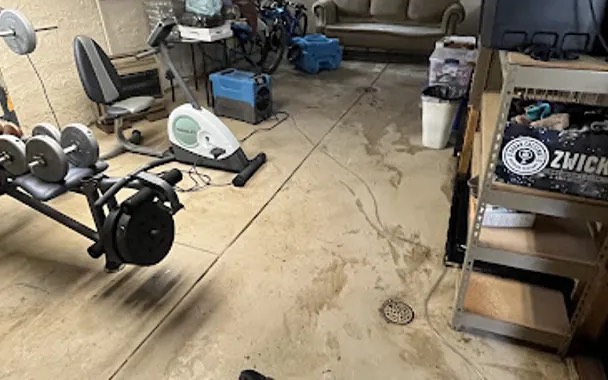
Museum Damage Restoration for Historic Collections in Oklahoma City
Museum damage in Oklahoma City usually starts with a burst pipe, a roof leak or a storm. Getting water away from exhibits and archives fast limits the loss.
For museums in Oklahoma City and nearby Smith Village, Del City and Valley Brook, Museum Damage Restoration covers HVAC water damage and artifact salvage. Small incidents and large losses in Oklahoma City both begin with the same careful inspection of the affected space.
Detailed Museum Damage Restoration Offerings in Oklahoma City
Sewage Backup Cleanup
Sewage backup cleanup in museums handles contaminated water that is a health risk and can destroy collections. Contaminated water is removed and the space is disinfected.
Storm Damage Structural Drying
Structural drying protects the building envelope, which is often historic itself. Moisture is removed with as little demolition of original materials as possible.
HVAC System Water Damage Restoration
Climate control recovery restores the exact temperature and humidity collections need. This involves drying, cleaning, and recalibrating HVAC units and environmental monitoring equipment.
Exhibit Fire Damage Cleanup
Local restoration pros serving Oklahoma City are familiar with the complexities of exhibit fire damage cleanup.
Historic Artifact Water Extraction
When a museum experiences a leak or flood, the water extraction process for artifacts requires specialized, low-suction tools.
Mold Growth Indicators in Museum Settings
Soot Deposits After a Small Fire
Fine black dust on artifacts after a fire is soot, which needs careful cleaning to avoid staining.
Musty Odors in Exhibit Halls
A persistent earthy smell often indicates hidden mold growth. Museum mold remediation is needed to protect air quality and collections.
Water Stains on Historic Artifacts
Stains or color changes on paintings, sculptures or textiles mean water has reached them and they need care right away.
Pooled Water in Collection Storage
Standing water near artifact storage is an emergency. Fast water extraction for art collections prevents irreversible harm.
How Museum Damage Restoration Works in Oklahoma City
Step 1: Disaster Scene Security and Assessment
The first action is to secure the area from further damage and perform a thorough assessment. The pros identify all affected artifacts and materials.
Step 2: Targeted Water Extraction and Removal
Pumps and extractors remove water from delicate areas, with gentle methods near fragile items.
Step 3: Environmental Drying for Preservation
The building's climate is aggressively restored using dehumidification. Climate control after water damage stabilizes temperature and humidity.
Step 4: Collection Cleaning and Sanitization
Every salvageable item is cleaned, deodorized, and sanitized as needed. This phase completes the fire damage restoration for museums or water damage recovery process.
Typical Sources of Damage in Museums
Window Seal Failures
Failed seals around windows and doors let rain and humidity into climate-controlled rooms.
HVAC Condensation Line Failures
Clogged or broken drain lines can leak water into walls, where hidden moisture leads to mold.
Sewer Line Backups
Municipal sewer issues or blockages can force contaminated water into basements. Sewage cleanup protects health and the collection.
Roof Leaks During Heavy Rain
Old roofing or storm damage can let water drip onto exhibits and stored collections.
Residential and Commercial Museum Damage Restoration in Oklahoma City
Water Damage Help for Homes
Historic homes in Oklahoma City often contain valuable antiques and heirlooms vulnerable to water damage. Storm-related leaks demand quick action to prevent mold on textiles and wood.
Museum Damage Restoration for Owners and Managers
University museums and corporate archives need protection from HVAC failures and plumbing leaks. Water damage can destroy rare books and documents.
Museum Damage Restoration Decisions: DIY or Call Collection Recovery Experts in Oklahoma City
If a fire suppression system discharges, you can turn off the water source at the main valve if it is safe to access. Evacuate the area due to potential air quality issues. Soot on delicate exhibit surfaces needs professional cleaning to avoid etching.
What Affects Museum Damage Restoration Cost in Oklahoma City
For museum damage restoration in Oklahoma City, factors like the extent of water intrusion and the need for climate-controlled drying chambers will determine your project's cost. Complex artifact salvage adds to the scope.
Extent of Water Intrusion
A localized leak in a storage room costs less to address than widespread flooding that affects multiple gallery levels and climate control systems.
Contamination Level
Sewage backup cleanup requires rigorous biocontainment and disinfectant protocols not needed for clean water leaks, affecting safety procedures and material costs.
Artifact Pack-Out Scale
The number of items that have to be packed out and moved for off-site drying affects labor and transport.
Does Insurance Cover Museum Damage Restoration?
Determining if insurance covers fire damage restoration for museums requires reviewing your policy. Specialists document the soot and water damage extensively. It is your responsibility to file the claim and confirm coverage specifics with your insurance agent.
Why Choose Local Experts for Museum Damage Restoration in Oklahoma City
Comprehensive Sewage Cleanup
Procedures address biological hazards thoroughly. Sewage backup cleanup involves removal, disinfection, and deodorization to restore a safe environment.
Containment Protocols
Work areas are sealed to protect unaffected collections. This is especially important during museum mold remediation to prevent spore migration to clean zones.
Structural Drying Expertise
Focus is on drying building materials properly. Storm damage structural drying protects the museum's infrastructure from long-term weakness and decay.
Around-the-Clock Museum Damage Restoration for Oklahoma City
Wet historic artifacts need attention right away. To initiate historic artifact water damage cleanup and prevent further loss, contact the experts for help. Call (405) 565-9833 for emergency assistance in Oklahoma City.
Call Now (405) 565-9833Museum Damage Restoration Available Across the Oklahoma City Region
The work addresses unique challenges for galleries and archives in Oklahoma City. From water extraction to fire cleanup, service also covers nearby communities including Smith Village, Del City and Valley Brook.
Frequently Asked Museum Damage Restoration Questions
What are emergency response priorities for museum disasters?
Make the site safe, stop the damage source, stabilize the environment and protect the most vulnerable items first.
How is soot removed from sensitive exhibits after a fire?
Dry sponges, HEPA vacuums and gentle chemical sponges lift soot without grinding it into surfaces or damaging finishes on exhibits.
What happens during the museum artifact pack-out process?
Items are documented, given temporary stabilization, carefully wrapped and cushioned, then transported in climate-controlled vehicles to a secure facility for assessment and treatment.
Why does quick action matter for museum flood restoration?
Quick action limits the spread of water, reduces absorption into porous artifacts and building materials, and lowers the risk of costly secondary damage like mold and corrosion.
What does museum artifact salvage and pack-out entail?
It involves carefully inventorying, stabilizing, and packing damaged items for secure transport to a controlled off-site facility for further restoration and drying, prioritizing fragile pieces.