Oklahoma City, OK · Oklahoma County
Smoke Damage Assessment in Oklahoma City, OKSoot Damage Assessment For Contents & Structural Smoke Inspection
Smoke Damage Assessment in Oklahoma City covers smoke odor source detection, HVAC system smoke contamination check and emergency smoke damage tarping.
Answered 24/7
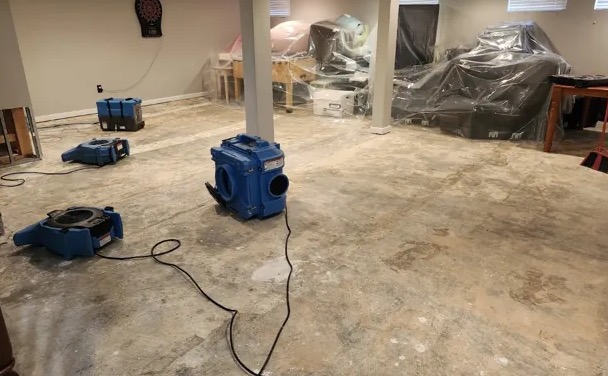
Professional Smoke Damage Assessment in Oklahoma City, OK
In Oklahoma City, smoke that spreads through a home needs a systematic assessment to chart the damage. Different materials burn into different soot residues, and each needs its own cleaning method.
Homes in Oklahoma City and nearby areas like Smith Village, Del City and Valley Brook often need a detailed assessment after smoke damage. Local smoke odor experts evaluate soot on contents, the structure and air quality, including odor sources and HVAC systems, to plan a full recovery.
Smoke Damage Assessment Services in Oklahoma City
Soot Damage Assessment for Contents
Pros decide which items can be cleaned on-site, which go off-site and which cannot be saved, with photos and notes for insurance.
Structural Smoke Inspection
Pros check whether insulation and building materials absorbed smoke and need cleaning or replacement to protect air quality.
Smoke Odor Source Detection
People notice smoke odor at low levels, which makes the source hard to find. Pros use specialized tools to trace it in homes in Oklahoma City.
Smoke Residue Testing
Different materials burn into different soot, from sticky to powdery. Knowing the residue type sets the cleaning plan for homes in Oklahoma City.
Post-Fire Surface Damage Evaluation
Pros check how smoke and heat affected paint, finishes and surfaces, since soot can etch glass, stain paint and corrode metal.
Signs of Smoke Damage Requiring Assessment in Oklahoma City
Smoke Odor Returns After Cleaning
A smoke smell that returns soon after cleaning means the source is deeper in the house.
Smoke Stains on Air Vents
Dark streaks around supply and return vents mean smoke has moved through the ductwork.
Unusual Irritation or Respiratory Issues
Coughing, itchy eyes or breathing trouble at home can point to smoke in the indoor air.
Discolored Fabrics and Window Treatments
Stained curtains, upholstery or carpet with a lasting odor have absorbed smoke.
How Smoke Damage Assessment Works in Oklahoma City
Step 1: Smoke Odor Source Detection
Pros start by finding where odor is trapped, using thermal imaging and other tools to locate hidden areas.
Step 2: Smoke Residue Testing
Residue samples show whether soot is dry, wet or oily, which decides the cleaning methods.
Step 3: Post-Fire Surface Damage Evaluation
All surfaces are checked for staining, etching or corrosion caused by acidic smoke particles.
Step 4: HVAC System Smoke Contamination Check
Pros inspect ducts, coils and filters so the system does not spread soot after cleaning.
Events That Necessitate a Smoke Damage Assessment
Natural Material Smoke From Wood
Burning wood or paper leaves dry, powdery soot that still discolors and odorizes surfaces.
High Heat Driving Smoke Into Materials
High heat forces smoke particles into the smallest pores of walls, floors and furniture.
Water Used During Firefighting
Firefighting water mixes with soot and spreads stains and residue further through the house.
Synthetic Material Combustion
Burning plastics, vinyl or foam releases acidic soot that can etch and stain surfaces.
Complete Smoke Damage Assessment for All Properties in Oklahoma City
Residential Smoke Damage Assessment
At home, pros check personal items and heirlooms for soot and odor and test HVAC systems and spaces behind baseboards.
Commercial Smoke Damage Assessment
Restaurant kitchens face grease-fire smoke, so pros check hoods, appliances and food surfaces to plan cleanup that meets health codes.
Smoke Damage Assessment vs. DIY: When to Call Smoke Odor Experts
After a very small, contained fire, you may clean glass, metal and ceramic with suitable cleaners once the house is safe to enter. Smoke in the HVAC system, walls or insulation needs professional inspection.
Understanding Smoke Damage Assessment Cost in Oklahoma City
The cost of an assessment in Oklahoma City depends on how far damage spread and how large the area is. Widespread soot usually needs a more detailed evaluation.
Emergency Measures
Emergency tarping done before the assessment is part of the overall cost.
Property Size
Larger homes in Oklahoma City have more space to test and inspect, which takes more time.
Surface Types
Delicate surfaces like stone or fine wood need special inspection methods and care.
Does Insurance Cover Smoke Damage Assessment?
Your insurance company decides whether the assessment is a covered loss. The experts compile evidence for the adjuster, so discuss scope directly with your insurer.
Why Choose Local Experts for Smoke Damage Assessment in Oklahoma City
Structural Integrity Inspection
A structural inspection finds hidden damage in building materials before any repairs.
Content Damage Analysis
Belongings are inspected to decide what can be cleaned and what needs other care.
Air Quality Verification
Air testing shows when the home is safe to live in again after the cleanup.
24/7 Emergency Smoke Damage Assessment in Oklahoma City
Do not let smoke residue keep damaging your home. Reach the pros at (405) 565-9833 24/7 in Oklahoma City to start odor tracing and inspection.
Call Now (405) 565-9833Smoke Damage Assessment Near Oklahoma City: Areas Served
In Oklahoma City, plus places such as Smith Village, Del City and Valley Brook, the experts inspect walls and ducts to map smoke contamination.
Common Smoke Damage Assessment Questions Answered
How does emergency smoke damage tarping help?
Tarping secures the house against weather after a fire, giving a safe, controlled space for the assessment.
Are smoke smells a health concern after a fire?
Odors can signal lingering particles, and air testing during the assessment can show any immediate problem.
What does a smoke damage assessment involve?
A visual inspection, residue testing, structural inspection and often air testing to document all soot and odor damage.
What follows after the assessment is complete?
You get a detailed report with recommended steps for cleanup, residue removal and odor treatment.
What is the goal of smoke odor source detection?
To find where smoke smells come from, which is essential for planning odor removal that lasts.