Cement, OK · Caddo County
Sprinkler System Water Removal in Cement, OKSprinkler System Water Extraction & Broken Sprinkler Head Cleanup
Sprinkler System Water Removal in Cement covers sprinkler system water extraction, broken sprinkler head cleanup and irrigation system flood removal.
Answered 24/7
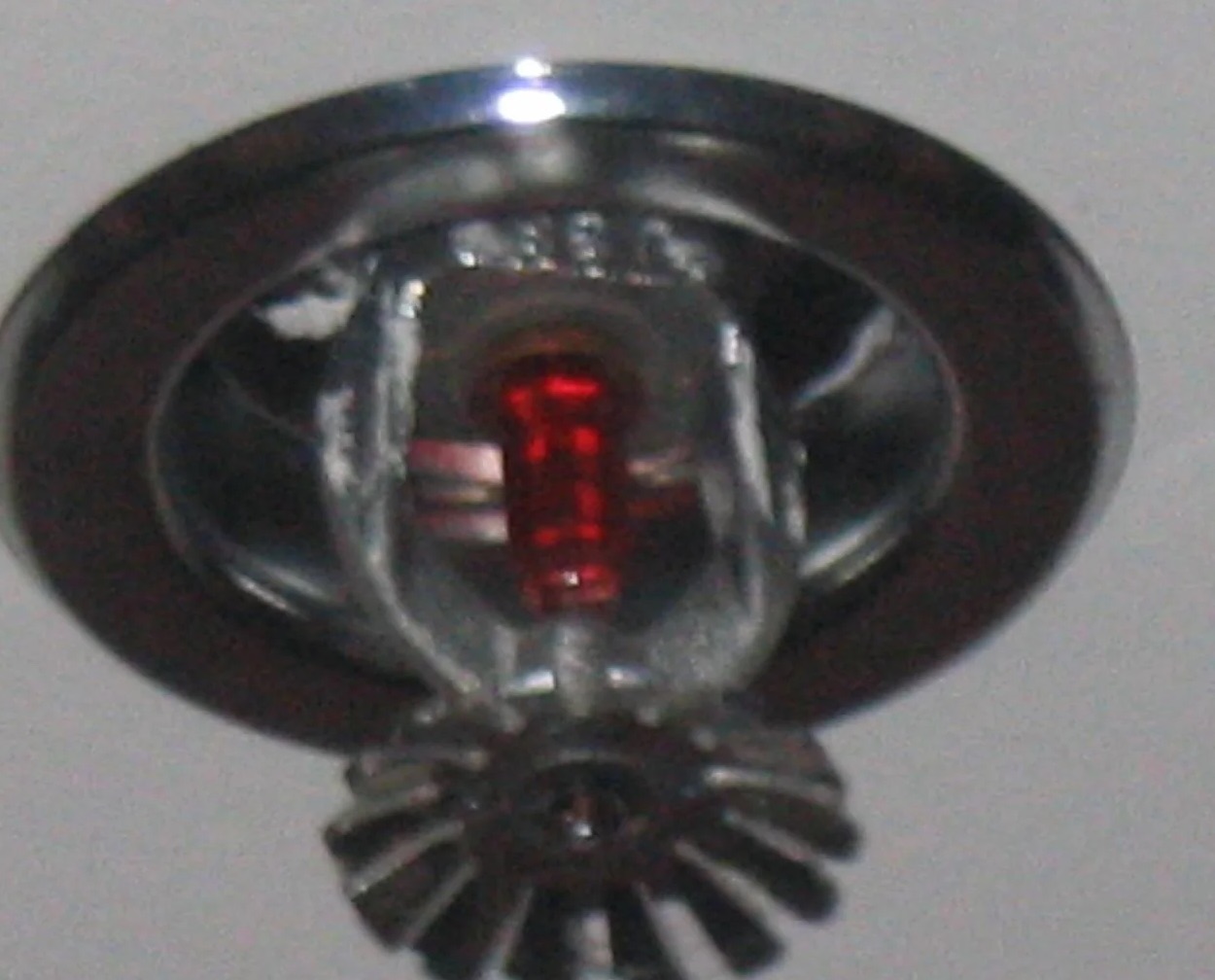
Expert Sprinkler System Water Removal Near Cement
Properties in Cement face unique challenges with sprinkler water damage, as oversaturation can quickly erode graded areas and damage subsurface utilities. Water pooling also kills grass and ornamental plants, impacting curb appeal.
In Cement and nearby Cyril, Fletcher and Verden, a broken irrigation line can flood a yard quickly. Local sprinkler leak water damage pros pump out the standing water, then dry the soil and hardscape to stop erosion.
Detailed Sprinkler System Water Removal Methods for Cement
Sprinkler System Water Extraction
Pros in Cement pump out standing water from a sprinkler break before it reaches the foundation or soaks into walls inside.
Broken Sprinkler Head Cleanup
A snapped sprinkler head causes localized flooding and soil displacement. The pros extract water, remove surface debris, and assess siding or fixture impact to minimize damage.
Backflow Water Damage Restoration
Backflow releases category two or three water. The pros extract the water, then clean and treat hardscapes or soil as needed, with thorough documentation for insurance claims.
Sprinkler Valve Leak Cleanup
Faulty sprinkler valves require cleanup of the valve box and adjacent soil. The pros remove all water and moisture, clean components for repair, and provide documentation for records.
Sprinkler Pipe Leak Water Removal
Slow leaks from compromised sprinkler pipes damage soil. The pros in Cement remove excess moisture from the soil matrix, preventing mold growth and protecting nearby concrete or wood.
Symptoms Requiring Sprinkler System Water Removal
Sinkholes or Soil Collapse
Sinking spots in the lawn mean an underground leak is washing soil away.
Wet Foundation or Exterior Walls
Moisture on your home's foundation can originate from sprinkler water damage saturating the nearby soil.
Reduced Water Pressure in System
Weak sprinkler spray can mean water is escaping from a broken pipe, leading to landscape water damage.
Landscape Features Shifting
Pavers, edging or small walls starting to tilt can mean a major leak has washed out the soil under them.
How Sprinkler System Water Removal Works in Cement
Step 1: On-Site Flood Evaluation
The pros in Cement assess the irrigation system flood removal scope, identifying the leak source and all impacted zones.
Step 2: Surface Water Removal
Powerful pumps remove the pooled water on the surface first, starting at the lowest spots.
Step 3: Subsurface Moisture Mitigation
For underground saturation, the pros use injection drying systems to pull moisture from the soil, preventing foundation issues.
Step 4: Final Verification and Cleanup
The site is verified as dry, and any displaced soil or debris from the sprinkler leak cleanup is neatly restored.
Typical Sources of Sprinkler System Flooding
Faulty Installation or Connections
Poorly glued joints from the original install are a common failure point in sprinkler systems.
Tree Root Intrusion
Tree roots can crush or puncture underground sprinkler pipes and cause hidden leaks.
Accidental Digging or Strikes
Gardening, construction, or digging can sever underground lines, resulting in an emergency sprinkler leak response situation.
High Water Pressure
Excessive system pressure stresses joints and pipes, increasing the risk of failures that flood the yard or nearby rooms.
Sprinkler System Water Removal for Homes and Businesses in Cement
Residential Sprinkler System Water Removal
Emergency sprinkler leak response at a home prevents a minor leak from becoming a major flood that undermines patios or driveways. The pros stop the water flow, begin extraction, and start the landscape water damage restoration process.
Commercial Sprinkler System Water Removal
A sprinkler valve leak can flood commercial entryways and create slip hazards. The pros remove the water and dry entries and floors inside.
Professional Sprinkler System Water Removal or DIY Repair in Cement
Removing visible debris from around a broken sprinkler head is a safe DIY step to assess the break. Do not attempt to repair pressurized lines or extract significant water. For broken sprinkler head cleanup and proper repair, rely on the pros in Cement.
What Affects Sprinkler System Water Removal Expense in Caddo County
Sprinkler leak cleanup costs around Cement vary with the scope of water extraction needed for lawns, planting beds, and adjacent structures.
Drying and Verification Time
Monitoring soil moisture after extraction until it is dry adds time to the job and to the cost.
Affected Surface Area
Cost scales with the square footage of lawn, garden beds, or patios needing water removal and drying procedures to prevent mold.
Landscape Material Damage
Replacing sod, plants, or mulch damaged by flooding adds to the total project cost after the initial water removal is complete.
Does Insurance Cover Sprinkler System Water Removal?
Does insurance cover emergency sprinkler leak response? Possibly, if the leak is a covered peril. The experts create a detailed report with moisture maps for the homeowner's submission. The insurer then determines reimbursement based on the policy terms.
Why Choose Local Sprinkler Leak Water Damage Pros for Sprinkler System Water Removal in Cement
Coordinated Drying Strategies
A plan for air movement and dehumidification addresses residual dampness in affected areas to halt secondary damage.
Cause and Origin Identification
Locating the exact point of the sprinkler system leak prevents recurring issues after the initial water removal is completed.
IICRC-Standard Water Extraction
Pros follow industry standards to remove water from soil and hardscapes so moisture does not keep damaging landscaping and foundations.
Urgent Sprinkler System Water Removal Availability Near Cement
An irrigation system flood requires urgent attention. Stop further damage with water removal by calling (405) 565-9833. The pros in Cement mobilize day or night to address standing water and begin the drying process.
Call Now (405) 565-9833Service Region for Local Pros
Sprinkler pipe leak water extraction is available in Cement and neighboring places including Cyril, Fletcher and Verden.
- Sprinkler System Water Removal in Cyril
- Sprinkler System Water Removal in Fletcher
- Sprinkler System Water Removal in Verden
- Sprinkler System Water Removal in Anadarko
- Sprinkler System Water Removal in Sterling
- Sprinkler System Water Removal in Chickasha
- Sprinkler System Water Removal in Rush Springs
- Sprinkler System Water Removal in Pocasset
- Emergency Damage Restoration in 73017
- Storm Damage Restoration in 73017
- Water Damage Restoration in 73017
- Water Extraction Service in 73017
- Water Leak Detection in 73017
- Water Removal Service in 73017
Sprinkler System Water Removal FAQs
What documentation do pros provide for insurance?
The pros document the scene with photos, moisture readings, and a detailed report outlining the cause, extent of water damage, and mitigation steps taken.
Why is sprinkler pipe leak water extraction specialized?
It often requires locating and accessing buried pipes without unnecessary landscaping damage. The pros use specialized tools to find the leak and extract water from the surrounding soil effectively.
What equipment is used for sprinkler system water extraction?
Equipment ranges from portable extractors and submersible pumps to industrial dehumidifiers and air movers. The choice depends on the water volume and the specific needs of the outdoor area.
Are plants salvageable after landscape water damage?
It depends on the plant type and submersion duration. Some tolerate wet roots; others rot quickly. The pros can advise on which plants might recover after the water extraction process is complete.
Does irrigation system flood removal include drying?
Yes. After extraction, the focus shifts to irrigation system drying. This may involve using air movers across wet surfaces and monitoring soil moisture until it returns to acceptable levels.