Cushing, OK · Payne County
Temperature-Controlled Drying in Cushing, OKWater Damage Drying Logs & Moisture Mapping
Temperature-Controlled Drying in Cushing includes thermal drying for water damage, rapid structural drying services, and humidity control for restoration managed by local drying equipment pros.
Answered 24/7
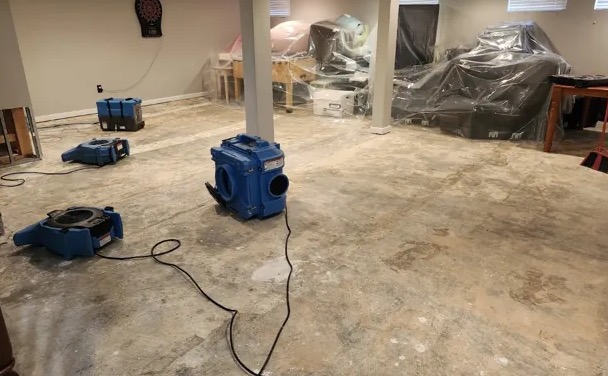
Professional Temperature-Controlled Drying in Cushing, OK
In Cushing, the air itself can slow drying. Local pros run industrial dehumidifiers to strip moisture from the air so wet materials dry faster.
In Cushing and nearby Agra, Tryon and Perkins, local pros map moisture in walls and subfloors, then fit thermal drying and humidity control to the materials in the building.
Specialized Temperature-Controlled Drying Offerings in Cushing, OK
Water Damage Drying Logs
The pros in Cushing maintain drying logs as an official record. This data tracks moisture reduction over time and informs any needed adjustments to the drying strategy.
Moisture Mapping
The pros take moisture readings at many points and depths to map every wet area and set drying goals, so nothing is missed.
Air Mover Placement for Drying
The pros angle and space air movers in each room in Cushing so air flows evenly across every wet surface.
Thermal Drying for Water Damage
Controlled heat speeds up drying of wet materials in Cushing, which helps prevent swelling wood and failed flooring adhesive.
Rapid Structural Drying Services
Fast structural drying uses high-velocity air movers, industrial dehumidifiers and sometimes heat, so families in Cushing can return home sooner and mold does not start.
When to Call for Temperature-Controlled Drying in Cushing, OK
Damp Odors Persisting After Water
A musty smell lingers even after visible water is gone, indicating hidden moisture. That odor often signals mold or trapped dampness.
Equipment Running With No Result
Fans or dehumidifiers that run for days without drying the area mean the moisture is deeper than household equipment can reach.
Warping of Wood Floors or Trim
Floorboards begin to cup, buckle, or separate at the seams. This warping is a direct result of excessive, uneven moisture content.
Moisture Meter Shows High Readings
A moisture meter reading high inside walls or floors means drying is not finished.
How Temperature-Controlled Drying Works in Cushing
Step 1: Site Evaluation and Equipment Planning
The pros evaluate the site to determine the type and quantity of drying tools needed.
Step 2: Drying Equipment Setup
Industrial air movers and dehumidifiers are set up in the affected zones right away.
Step 3: Controlled Humidity Management
Dehumidifiers pull moist air out of the room, which keeps the air dry enough for materials to keep drying.
Step 4: Progress Tracking With Drying Logs
Temperature, humidity and moisture readings are recorded each day in a drying log.
Typical Reasons for Drying Needs in Cushing
Foundation Cracks and Seepage
Hydrostatic pressure forces groundwater through cracks in the foundation wall. This seepage creates a constant dampness that challenges standard drying technology.
Undetected Plumbing Leaks
A slow drip behind a wall or under a slab saturates materials over time.
Roof Leak During Heavy Rain
Wind-driven rain through a damaged roof or flashing can run down inside wall cavities, where it needs targeted drying.
Overflowing Sinks or Bathtubs
A simple blockage or forgetfulness leads to an overflow event. Water spreads quickly, soaking cabinetry and flooring, and requires thorough drying equipment deployment.
Temperature-Controlled Drying for All Property Types in Cushing
Residential Temperature-Controlled Drying
Residential restoration focuses on saving personal items and preventing long-term odors in living areas and bedrooms. The specialists employ thermal drying for water damage to gently yet effectively dry contents and building materials.
Commercial Temperature-Controlled Drying
In commercial settings, uncontrolled humidity can damage sensitive electronics, documents, and finished goods. The pros implement humidity control for restoration to create optimal drying conditions for diverse materials.
Professional Temperature-Controlled Drying vs. Do-It-Yourself in Cushing
A home's HVAC on 'fan only' mode can circulate air, but it is not a substitute for professional drying. A wet-dry vacuum can remove standing water from a very localized incident.
Cost Considerations for Temperature-Controlled Drying in Cushing
In Cushing, cost depends on how far the moisture spread and how many rooms need drying equipment and monitoring.
Equipment Needs
The number and type of air movers, dehumidifiers and heaters used affect the cost.
Extent of Water Damage
The larger the area that needs drying, the more equipment and labor the job takes.
Humidity Control Measures
Controlling humidity in tight spaces often takes specialized drying equipment and frequent adjustments.
Does Insurance Cover Temperature-Controlled Drying?
Whether insurance pays for thermal drying for water damage depends on your policy's specific language and the cause of loss. The pros meticulously record moisture levels and drying progress to create a verifiable log for your adjuster.
Benefits of Local Drying Equipment Pros for Temperature-Controlled Drying in Cushing
Comprehensive Drying Logs
Detailed, chronological logs of moisture readings and equipment settings provide a transparent record of the entire temperature-controlled drying process.
Ongoing Moisture Monitoring
Regular checks with moisture meters verify that drying goals are met, helping ensure no residual dampness remains within walls or floors.
Climate-Controlled Drying Systems
Heat and humidity are kept at set levels so materials dry faster without cracking or warping.
Emergency Temperature-Controlled Drying Response for Cushing, OK
Fast drying limits damage to walls and floors. Call (405) 565-9833 anytime, day or night, to get drying equipment set up in Cushing.
Call Now (405) 565-9833Temperature-Controlled Drying for Cushing and Surrounding Regions
A detailed approach to moisture control, including humidity regulation and systematic drying equipment deployment, benefits homes throughout Cushing. The process also serves properties in the broader Agra, Tryon and Perkins region.
- Temperature-Controlled Drying in Agra
- Temperature-Controlled Drying in Tryon
- Temperature-Controlled Drying in Perkins
- Temperature-Controlled Drying in Stroud
- Temperature-Controlled Drying in Carney
- Temperature-Controlled Drying in Stillwater
- Temperature-Controlled Drying in Chandler
- Temperature-Controlled Drying in Bristow
- Emergency Damage Restoration in 74023
- Storm Damage Restoration in 74023
- Water Damage Restoration in 74023
- Water Extraction Service in 74023
- Water Leak Detection in 74023
- Water Removal Service in 74023
Frequently Asked Questions About Temperature-Controlled Drying
How does thermal drying for water damage work?
Thermal drying applies carefully managed heat to increase the evaporation rate of moisture trapped within materials, accelerating the drying process while monitored to prevent damage.
What is the strategy behind air mover placement?
They are angled to move air across wet surfaces in a pattern, so moisture evaporates into the air where dehumidifiers can capture it.
What is the difference between air movers and dehumidifiers?
Air movers evaporate moisture from surfaces into the air, and dehumidifiers pull it back out of the air.
How does humidity control aid in restoration?
Drier air pulls water out of wet materials faster, so lowering humidity speeds up drying.
Can temperature-controlled drying prevent mold growth?
By rapidly removing moisture and controlling humidity, the process creates an environment where mold cannot thrive, significantly reducing the potential for mold.