Fletcher, OK · Comanche County
Temperature-Controlled Drying in Fletcher, OKMoisture Mapping & Climate-Controlled Drying Systems
Temperature-Controlled Drying in Fletcher includes moisture mapping, rapid structural drying services and water damage drying logs from local temperature-controlled drying specialists.
Answered 24/7
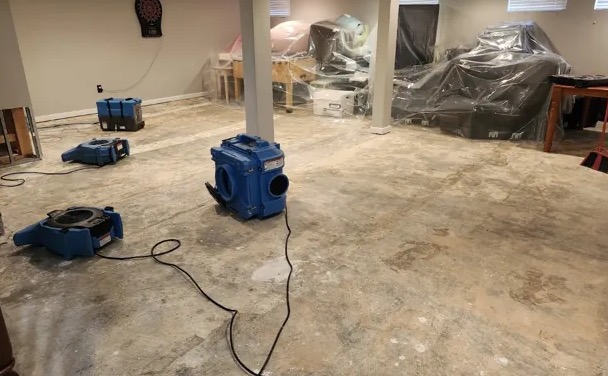
Temperature-Controlled Drying by Local Moisture Control Experts in Fletcher
In Fletcher, structural drying aims to bring materials back to their normal moisture level. Low humidity in the drying area helps pull moisture out of dense materials.
In Fletcher and nearby Elgin, Cyril and Sterling, fast structural drying stops mold before it starts. Local pros map moisture, then use LGR dehumidifiers and planned air mover placement until readings are normal.
Temperature-Controlled Drying Methods Available in Fletcher
Moisture Mapping
Systematic testing identifies moisture content percentages in all building materials. The experts compare readings to known dry standards.
Climate-Controlled Drying Systems
The specialists set up systems that control temperature, humidity and airflow together, adjusting them as moisture readings change.
Air Mover Placement for Drying
The specialists plan placement around furniture and walls, and may build air dams or blow air into cavities to cut drying time in Fletcher homes.
Humidity Control for Restoration
Dehumidifiers lower the dew point in the affected area, so materials give up their moisture more easily.
Rapid Structural Drying Services
Rapid drying mitigates risk of long-term weaknesses or rot in wooden structures. The specialists use specialized techniques like injecting dry air into wall cavities.
Indicators for Temperature-Controlled Drying in Fletcher Properties
Discoloration on Drywall or Ceilings
Yellow or brown water stains appear on surfaces that seem dry. These stains suggest moisture is still present inside the wall cavity.
Paint Peeling or Bubbling Up
Paint loses adhesion and forms bubbles or peels away from the wall. This failure is caused by moisture trapped beneath the paint film.
Equipment Running With No Result
Fans or dehumidifiers that run for days without drying the area mean the moisture is deeper than household equipment can reach.
Moisture Meter Shows High Readings
A moisture meter reading high inside walls or floors means drying is not finished.
How Temperature-Controlled Drying Works in Fletcher
Step 1: Site Evaluation and Equipment Planning
The pros evaluate the site to determine the type and quantity of drying tools needed.
Step 2: Drying Equipment Setup
Industrial air movers and dehumidifiers are set up in the affected zones right away.
Step 3: Controlled Humidity Management
Dehumidifiers pull moist air out of the room, which keeps the air dry enough for materials to keep drying.
Step 4: Progress Tracking With Drying Logs
Temperature, humidity and moisture readings are recorded each day in a drying log.
What Leads to Needing Temperature-Controlled Drying in Fletcher
Undetected Plumbing Leaks
A slow drip behind a wall or under a slab saturates materials over time.
Foundation Cracks and Seepage
Hydrostatic pressure forces groundwater through cracks in the foundation wall. This seepage creates a constant dampness that challenges standard drying technology.
Poor Ventilation After a Flood
Closing up a wet room traps humid air, which slows drying and lets moisture soak further into materials.
Sprinkler System Activation
A fire sprinkler discharges, releasing a large volume of water quickly. This event saturates entire areas and requires precise air mover placement and strategy.
Temperature-Controlled Drying for All Property Types in Fletcher
Residential Temperature-Controlled Drying
Homeowners benefit from structural drying that prevents mold and preserves structural elements like wood framing and drywall. The experts set up targeted drying arrays to address specific home layouts and materials.
Commercial Temperature-Controlled Drying
For commercial properties, pros run industrial dehumidifiers and air movers to control humidity in large spaces and monitor moisture until the building is dry.
When to Hire Local Specialists for Temperature-Controlled Drying in Fletcher
For a small, recent water spill, use towels to blot surface water and improve air circulation with fans. If water soaks into porous materials like drywall or carpet padding, contact the experts.
Cost Considerations for Temperature-Controlled Drying in Fletcher
In Fletcher, cost depends on how far the moisture spread and how many rooms need drying equipment and monitoring.
Access and Logistics
Challenging site access in Fletcher can complicate equipment deployment and placement, potentially increasing setup time and labor requirements.
Moisture Mapping Complexity
Checking moisture in layered floors or hidden cavities takes more time and equipment.
Humidity Control Measures
Controlling humidity in tight spaces often takes specialized drying equipment and frequent adjustments.
Does Insurance Cover Temperature-Controlled Drying?
Coverage is not automatic and depends on your policy. Local pros provide humidity readings and equipment logs for your claim file. Your insurer decides what is covered.
Selecting Local Specialists for Temperature-Controlled Drying in Fletcher
Targeted Thermal Drying
Applying directed heat energy safely accelerates the drying of dense materials, reducing the overall timeline for the restoration project.
Strategic Equipment Deployment
Air movers and dehumidifiers are placed according to a plan for even airflow and low humidity.
Structural Drying
The focus is on quickly extracting moisture from structural components to minimize warping, swelling, or the potential for mold growth.
24/7 Emergency Temperature-Controlled Drying in Fletcher
Wet walls and floors keep getting worse until they are dried. Call the pros at (405) 565-9833 to set up drying equipment.
Call Now (405) 565-9833Temperature-Controlled Drying Near Fletcher: Communities Served
The pros dry structures and control humidity in Fletcher and communities such as Elgin, Cyril and Sterling.
- Temperature-Controlled Drying in Elgin
- Temperature-Controlled Drying in Cyril
- Temperature-Controlled Drying in Sterling
- Temperature-Controlled Drying in Cement
- Temperature-Controlled Drying in Rush Springs
- Temperature-Controlled Drying in Marlow
- Temperature-Controlled Drying in Anadarko
- Temperature-Controlled Drying in Verden
- Emergency Damage Restoration in 73541
- Storm Damage Restoration in 73541
- Water Damage Restoration in 73541
- Water Extraction Service in 73541
- Water Leak Detection in 73541
- Water Removal Service in 73541
Common Temperature-Controlled Drying Questions Answered
When is climate-controlled drying necessary versus regular drying?
Climate-controlled drying is necessary for severe losses, sensitive materials, or when precise environmental control is needed to prevent damage, unlike simple air drying for minor spills.
What is the strategy behind air mover placement?
They are angled to move air across wet surfaces in a pattern, so moisture evaporates into the air where dehumidifiers can capture it.
What is the difference between air movers and dehumidifiers?
Air movers evaporate moisture from surfaces into the air, and dehumidifiers pull it back out of the air.
What is temperature-controlled drying?
It is a drying method that controls heat and humidity together to remove moisture from building materials and contents safely and quickly.
What are water damage drying logs used for?
Drying logs are detailed records of moisture readings, equipment settings, and progress; they provide documentation for the restoration process and are often required for insurance claims.