Smith Village, OK · Oklahoma County
Temperature-Controlled Drying in Smith Village, OKClimate-Controlled Drying Systems & Thermal Drying For Water Damage
Temperature-Controlled Drying in Smith Village includes moisture mapping, rapid structural drying services and water damage drying logs from local moisture control experts.
Answered 24/7
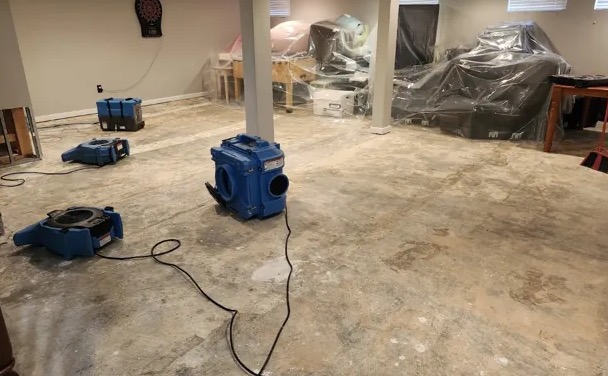
Local Temperature-Controlled Drying Solutions for Smith Village Homes
In Smith Village, materials dry at different rates. Local pros map moisture content so each material gets the drying it needs.
In Smith Village and nearby Del City, Midwest City and Valley Brook, local pros take baseline moisture readings, then run air movers and dehumidifiers and log moisture levels as they drop.
Temperature-Controlled Drying Services in Smith Village
Climate-Controlled Drying Systems
Advanced systems allow precise manipulation of the drying environment. By controlling the dew point, the experts can aggressively dry contents without risk.
Thermal Drying for Water Damage
Controlled heat speeds up drying of wet materials in Smith Village, which helps prevent swelling wood and failed flooring adhesive.
Humidity Control for Restoration
The experts size dehumidifiers from the moisture map, then pair them with air movers to carry moisture away from materials.
Moisture Mapping
The experts take moisture readings at many points and depths to map every wet area and set drying goals, so nothing is missed.
Air Mover Placement for Drying
Expert deployment of air movers displaces the saturated air layer clinging to wet materials. Proper placement helps ensure every surface receives directed airflow, the engine of evaporation.
Indicators for Temperature-Controlled Drying in Smith Village Properties
Soft Drywall or Sagging Ceiling
Drywall feels spongy to the touch or a ceiling sags downward. This softness means the material is saturated and structurally compromised.
Cracking of Plaster or Joints
Plaster or drywall joint tape develops new cracks or fissures. These cracks occur as wet materials swell and then contract during drying.
Discoloration on Drywall or Ceilings
Yellow or brown water stains appear on surfaces that seem dry. These stains suggest moisture is still present inside the wall cavity.
Damp Odors Persisting After Water
A musty smell lingers even after visible water is gone, indicating hidden moisture. That odor often signals mold or trapped dampness.
How Temperature-Controlled Drying Works in Smith Village
Step 1: Site Evaluation and Equipment Planning
The pros evaluate the site to determine the type and quantity of drying tools needed.
Step 2: Drying Equipment Setup
Industrial air movers and dehumidifiers are set up in the affected zones right away.
Step 3: Controlled Humidity Management
Dehumidifiers pull moist air out of the room, which keeps the air dry enough for materials to keep drying.
Step 4: Progress Tracking With Drying Logs
Temperature, humidity and moisture readings are recorded each day in a drying log.
Causes of Persistent Dampness Requiring Controlled Drying in Smith Village
Storm-Driven Water Intrusion
Heavy rain overflows gutters or gets in around windows and soaks framing and insulation.
Sprinkler System Activation
A fire sprinkler discharges, releasing a large volume of water quickly. This event saturates entire areas and requires precise air mover placement and strategy.
Poor Ventilation After a Flood
Closing up a wet room traps humid air, which slows drying and lets moisture soak further into materials.
HVAC System Condensation Issues
A clogged condensate drain line causes an overflow inside the air handler. This water can soak insulation and ductwork, creating a hidden moisture issue.
Residential & Commercial Temperature-Controlled Drying in Smith Village
Residential Temperature-Controlled Drying
In condos and apartments, containment barriers and negative air machines keep moisture from moving into neighboring units while drying runs.
Commercial Temperature-Controlled Drying
Restaurants and food service businesses need rapid, sanitary drying to comply with health regulations after a water event. The pros use specialized equipment and antimicrobial treatments during the drying process.
Temperature-Controlled Drying: DIY Risks vs. Professional Care in Smith Village
For a small, recent water spill, use towels to blot surface water and improve air circulation with fans. If water soaks into porous materials like drywall or carpet padding, contact the experts.
Factors in Temperature-Controlled Drying Pricing for Smith Village, OK
In Smith Village, cost depends on how complex the moisture mapping is and how much equipment the area needs.
Structural Material Types
Porous materials like concrete or dense wood require more aggressive drying strategies and extended monitoring, influencing the project timeline and cost.
Humidity Control Measures
Controlling humidity in tight spaces often takes specialized drying equipment and frequent adjustments.
Extent of Water Damage
The larger the area that needs drying, the more equipment and labor the job takes.
Does Insurance Cover Temperature-Controlled Drying?
Many homeowner policies cover temperature-controlled drying when it stems from a sudden, covered peril like a burst pipe. The experts document all damage with photos and moisture readings for your claim submission.
Selecting Moisture Control Experts for Temperature-Controlled Drying in Smith Village
Targeted Thermal Drying
Applying directed heat energy safely accelerates the drying of dense materials, reducing the overall timeline for the restoration project.
24/7 Emergency Response
Quick action is critical to limit secondary damage, and the pros are available around the clock to begin the drying process.
Ongoing Moisture Monitoring
Regular checks with moisture meters verify that drying goals are met, helping ensure no residual dampness remains within walls or floors.
Emergency Moisture Control in Smith Village
Fast drying limits damage to walls and floors. Call (405) 565-9833 anytime, day or night, to get drying equipment set up in Smith Village.
Call Now (405) 565-9833Temperature-Controlled Drying for Smith Village and Surrounding Regions
Climate-controlled and thermal drying are available in Smith Village and surrounding places including Del City, Midwest City and Valley Brook.
- Temperature-Controlled Drying in Del City
- Temperature-Controlled Drying in Midwest City
- Temperature-Controlled Drying in Valley Brook
- Temperature-Controlled Drying in Forest Park
- Temperature-Controlled Drying in Lake Aluma
- Temperature-Controlled Drying in Nicoma Park
- Temperature-Controlled Drying in Spencer
- Temperature-Controlled Drying in Moore
- Emergency Damage Restoration in 73123
- Storm Damage Restoration in 73123
- Water Damage Restoration in 73123
- Water Extraction Service in 73123
- Water Leak Detection in 73123
- Water Removal Service in 73123
Temperature-Controlled Drying FAQs for Smith Village Property Owners
Can temperature-controlled drying prevent mold growth?
By rapidly removing moisture and controlling humidity, the process creates an environment where mold cannot thrive, significantly reducing the potential for mold.
What are water damage drying logs used for?
Drying logs are detailed records of moisture readings, equipment settings, and progress; they provide documentation for the restoration process and are often required for insurance claims.
How does humidity control aid in restoration?
Drier air pulls water out of wet materials faster, so lowering humidity speeds up drying.
What are the benefits of rapid structural drying services?
Rapid structural drying minimizes the time materials are wet, reducing the risk of swelling, warping, and secondary damage like mold, which helps preserve property value.
What happens if hidden moisture is not found during mapping?
Undetected moisture can lead to ongoing deterioration, odor issues, and mold growth inside walls or under floors, underscoring the critical need for thorough initial assessment.