Cement, OK · Caddo County
Wall Cavity Water Extraction in Cement, OKStructural Cavity Drying & Wall Cavity Water Removal
Get immediate Wall Cavity Water Extraction in Cement for wet drywall cavity extraction, interior wall drying services, and structural cavity drying.
Answered 24/7
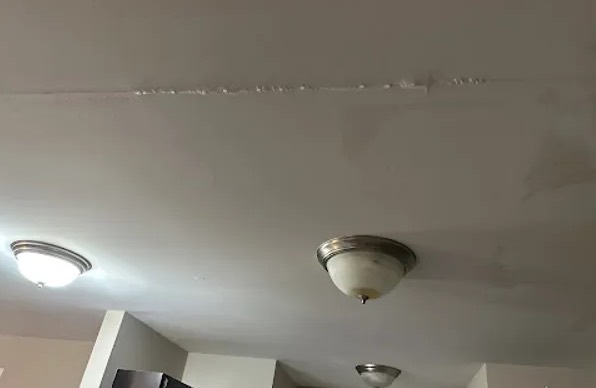
Expert Wall Cavity Water Extraction in Cement, Oklahoma
Water from appliance overflows or pipe failures can move into wall cavities quickly. Left there, it affects air quality and rots the framing.
In Cement and nearby Cyril, Fletcher and Verden, slab leaks, plumbing problems and storms can push water into walls. Local restoration pros clean up and dry the framing, with help day or night throughout Cement.
Wall Cavity Water Extraction Services in Cement
Structural Cavity Drying
The studs and plates inside the wall are dried until they read normal, so they do not rot later in Cement homes.
Wall Cavity Water Removal
Effective wall cavity water removal demands tools that reach deep between studs to eliminate hidden moisture. The pros in Cement perform this extraction to halt damage progression within your home's framework.
Emergency Cavity Water Extraction
When a pipe bursts inside a wall in Cement, pros remove the bulk water first so the leak stops spreading.
Interior Wall Drying Services
The pros in Cement run industrial air movers and dehumidifiers to dry the wood and insulation inside the wall.
Wet Drywall Cavity Extraction
Water is pulled out of both the drywall and the air space behind it, which can save the wall from being torn out.
Signs of Water in Your Wall Cavities in Cement
Condensation Inside Windows
Excessive interior window condensation can indicate high humidity from wet cavities nearby.
Buckling or Cracking Drywall
Drywall that buckles or cracks is often a late-stage sign of severe cavity water damage.
Persistent Musty Odors
A musty smell from walls suggests hidden moisture is fostering mold growth inside the cavities.
Cold or Damp Wall Surfaces
A wall section that feels colder or damper than surrounding areas likely holds moisture.
How Wall Cavity Water Extraction Works in Cement
Step 1: Leak Source Identification
Before any extraction, the source of the intrusion is identified and stopped to prevent new water from entering the wall cavities.
Step 2: Wet Drywall Cavity Extraction
Focused extraction for wet drywall cavity extraction follows, removing water that has soaked into the drywall core and cavity behind it.
Step 3: Aggressive Cavity Drying
Injectidry systems or similar tools are used for aggressive structural drying, forcing dry air into the cavity to evaporate trapped moisture.
Step 4: Final Damage Assessment
A final check decides whether any wall materials need to be removed or can stay.
Sources of Wall Cavity Water Intrusion
Window Seal Failure
Failed window seals or flashing allow rainwater to seep directly into the surrounding wall structure.
Overflow From Fixtures Above
An overflow from a tub, toilet, or sink on an upper floor can drain down into lower wall cavities.
Gutter or Downspout Failure
Clogged or damaged gutters spill water down exterior walls, where it can seep into cavities.
Leaking Plumbing Pipes
A small leak from supply lines or drain pipes inside walls slowly saturates the cavity space over time.
Commercial & Residential Wall Cavity Services in Cement
Residential Wall Cavity Water Extraction
At home, drying wall cavities after a plumbing leak prevents wood decay and mold inside the walls and ceilings.
Commercial Wall Cavity Water Extraction
In commercial buildings, wall cavity water extraction addresses moisture in interior partitions that can warp doors and disrupt the functionality of the leased space.
DIY Wall Drying vs. Professional Extraction in Cement
Find your main water shut-off and make sure it works. Talk with your insurer about coverage. Leave the extraction and drying inside the wall to the pros.
What Influences Wall Cavity Water Extraction Cost in Cement
Extra work, like cleaning up a hidden leak or removing wet drywall, adds labor, materials and equipment time.
Extent of Saturation
How deeply water has penetrated the wall structure and surrounding materials dictates the intensity of the drying services needed.
Equipment Utilization
The use of specialized tools for cavity drying services, like infrared cameras or injection drying systems, factors into the service.
Wall Construction Materials
Whether the cavity involves standard drywall, plaster, or insulated spaces changes the approach and equipment required for extraction.
Does Insurance Cover Wall Cavity Water Extraction?
Coverage for wall cavity water extraction often depends on the source of the water damage. A policy likely covers sudden, accidental events like a burst pipe, but homeowners should review their specific documents.
The Value of Local Wall Cavity Water Extraction Pros
Containment of Affected Area
Setting up containment helps manage humidity and dust during wall flood damage cleanup, protecting the rest of your home from cross-contamination.
Prevention of Mold Growth
Rapid, thorough drying of damp wall cavities is the most effective way to prevent mold from developing after a hidden leak cleanup.
Focused Water Extraction
The process prioritizes direct wet wall removal from cavities using extraction wands and pumps to remove the bulk water source.
24/7 Emergency Wall Cavity Water Extraction in Cement
Water inside walls spreads out of sight. Call (405) 565-9833 24/7 in Cement to find the moisture and start drying before mold starts.
Call Now (405) 565-9833Wall Cavity Water Extraction Service Area Around Cement
Wall flood damage cleanup addresses water trapped in wall cavities, a common issue for properties in Cement, as well as in neighboring towns like Cyril, Fletcher and Verden.
- Wall Cavity Water Extraction in Cyril
- Wall Cavity Water Extraction in Fletcher
- Wall Cavity Water Extraction in Verden
- Wall Cavity Water Extraction in Anadarko
- Wall Cavity Water Extraction in Sterling
- Wall Cavity Water Extraction in Chickasha
- Wall Cavity Water Extraction in Rush Springs
- Wall Cavity Water Extraction in Pocasset
- Emergency Damage Restoration in 73017
- Storm Damage Restoration in 73017
- Water Damage Restoration in 73017
- Water Extraction Service in 73017
- Water Leak Detection in 73017
- Water Removal Service in 73017
FAQ: Wall Cavity Water Extraction in Cement
What documentation is provided for insurance after wall cavity drying?
You receive detailed logs with initial and final moisture readings, photos of the damage and process, and an invoice for services rendered.
What happens after cavity drying services are complete?
Pros provide a final moisture verification report and may coordinate with your chosen contractor for any necessary rebuilding of the wall cavity.
Does wall cavity moisture inspection require cutting holes?
Often, small strategic access holes are needed to insert drying equipment, but non-invasive inspection tools first map the damage to minimize cuts.
What tools are used for interior wall drying services?
Professionals use injection drying systems, high-volume air movers, and dehumidifiers designed to circulate air deep within wall cavities for thorough drying.
Are wall cavities monitored during the drying process?
Yes, drying progress is tracked with daily moisture checks inside the cavity to help ensure all layers are drying properly before equipment is removed.