Cement, OK · Caddo County
Water Damage Cleanup in Cement, OKWater Damaged Drywall Repair & Structural Drying Services
Water Damage Cleanup in Cement covers emergency water extraction, structural drying services and wet carpet removal after leaks or floods.
Answered 24/7
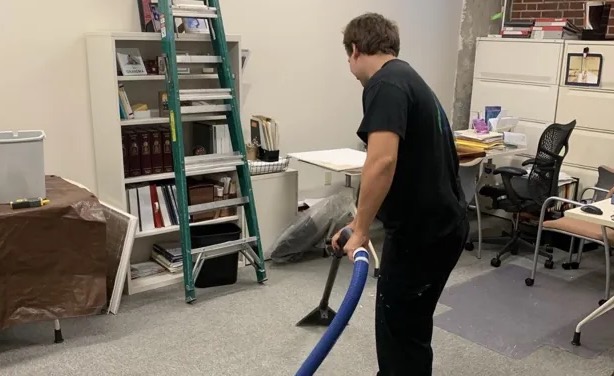
Your Cement Solution for Water Damage Cleanup
In Cement, moisture left after a leak or flood breaks down building materials and invites mold. Acting fast keeps a small problem from becoming a big project.
In Cement, water behaves differently in a basement than in an attic, and drywall dries differently than carpet. Local pros fit the drying to each, here and in Cyril, Fletcher and Verden.
The Water Damage Cleanup Process in Cement, OK
Water Damaged Drywall Repair
Wet drywall loses integrity and can harbor mold. Restoration professionals use moisture meters to map saturation.
Structural Drying Services
Effective drying goes beyond visible water removal. Experts focus on evaporating trapped moisture from within walls, ceilings, and floors using high-velocity air circulation and dehumidification.
Sewage Backup Cleanup
After a major leak in Cement, commercial extractors remove the bulk water so drying can start.
Flooring Water Damage Repair
Different flooring materials react uniquely to water. Identification of water penetration in seams, backing or adhesive is needed.
Mold Prevention Drying
Preventing mold is a primary goal of professional response. Experts create a drying environment that removes moisture from air and materials faster than mold can colonize.
When to Call for Water Damage Cleanup in Cement
Visible Standing Water
Pools of water on floors or carpets mean an active leak. The water needs to come up before it soaks into the structure.
Soggy or Lifting Carpeting
Carpet that feels spongy or has pulled off the tack strip is holding water, and the subfloor below may be wet.
High Indoor Humidity Levels
Condensation on windows or a clammy feel in the air suggests poor drying after a leak, risking secondary water damage.
Mold Spots on Surfaces
Black or green specks on walls, ceilings or baseboards point to a moisture problem.
How Water Damage Cleanup Works in Cement
Step 1: Initial Water Removal Assessment
Pros find the source and measure how far the water spread to plan the extraction.
Step 2: Water Extraction Services
Truck-mounted pumps and extractors remove bulk water from carpets, padding and hard surfaces.
Step 3: Targeted Structural Drying
Drying equipment is set up for wet ceilings and wall assemblies, with readings taken daily.
Step 4: Verification and Documentation
Pros verify dryness with readings and document the process for your insurance, concluding the water damage repair phase.
What Leads to Water Damage Cleanup Needs in Cement
Clogged or Backed-Up Drains
Sewer blockages and overflowing toilets can send contaminated water into living spaces.
Roof Leaks From Storm Damage
Missing shingles or damaged flashing let rain into the attic and walls.
Burst or Leaking Pipes
Aged plumbing, corrosion, or high water pressure can cause pipes to fail, releasing gallons of water into your home's structure.
Foundation Cracks and Seepage
Hydrostatic pressure can push groundwater through cracks in basement walls or slabs.
Cement Property Water Damage Cleanup: Residential and Commercial
Residential Water Damage Cleanup
At home, hidden moisture from a leak can hurt air quality and the structure. Pros dry wall cavities, subfloors and ceilings to prevent mold and future repairs.
Commercial Water Damage Cleanup
In offices and stores, pros find and contain the leak to protect stock and equipment, then extract and dry so the business can reopen on time.
DIY Risks vs. Professional Water Damage Cleanup in Cement
You can unplug electrical devices in the wet area from a dry, safe location to prevent shock hazard. If the ceiling is sagging, stay out from under it and keep people and pets out of the room. Do not enter rooms with standing water near electrical outlets. Call (405) 565-9833 for professional water damage restoration.
Estimating Your Water Damage Cleanup Cost in Cement
Cost depends on how long the leak ran, which materials got soaked and how much drying the job needs.
Mold Prevention Needs
If materials stay wet too long, extra drying and monitoring are needed to prevent mold.
Required Drying Time
The humidity levels and airflow in the space determine how long industrial dehumidifiers and air movers must run to achieve complete drying, impacting labor costs.
Emergency Response
After-hours emergency calls at night or on weekends can cost more than daytime work.
Does Insurance Cover Water Damage Cleanup?
Insurance may cover water damage restoration if the cause is a covered peril, such as an appliance overflow. Flood cleanup from external sources usually requires separate flood insurance. The specialists in Cement provide thorough documentation of affected areas for the adjuster.
The Value of Water Extraction Specialists for Water Damage Cleanup in Cement
Thorough Air Quality Management
Wet environments affect air. Using air scrubbers and dehumidifiers, the specialists work to restore healthy indoor air during the water damage cleanup process.
Advanced Moisture Detection
Hidden moisture in walls and subfloors can cause mold. The specialists use specialized tools to find all wet areas, aiming for complete water damage cleanup.
Comprehensive Water Extraction
Removing standing water is just the first step. High-powered pumps and extractors are used for water removal services from carpets and hard surfaces.
Round-the-Clock Water Damage Cleanup in Cement
If you have standing water from a burst pipe or appliance failure, time is critical. Call (405) 565-9833 now for emergency water extraction in Cement.
Call Now (405) 565-9833Water Damage Cleanup Services Throughout the Cement Area
The specialists handle everything from small leaks to major flooding in Cement and nearby areas like Cyril, Fletcher and Verden.
- Water Damage Cleanup in Cyril
- Water Damage Cleanup in Fletcher
- Water Damage Cleanup in Verden
- Water Damage Cleanup in Anadarko
- Water Damage Cleanup in Sterling
- Water Damage Cleanup in Chickasha
- Water Damage Cleanup in Rush Springs
- Water Damage Cleanup in Pocasset
- Emergency Damage Restoration in 73017
- Storm Damage Restoration in 73017
- Water Damage Restoration in 73017
- Water Extraction Service in 73017
- Water Leak Detection in 73017
- Water Removal Service in 73017
Common Water Damage Cleanup Questions Answered
How is water damaged drywall repaired?
Usually the wet section is cut out, the cavity is dried and new drywall is installed, finished and painted.
What is the difference between water removal and drying?
Water removal is the physical extraction of standing liquid. Drying is the subsequent process of removing moisture trapped in materials and the air using evaporation and dehumidification.
Are both water extraction and mold remediation typically performed?
Fast extraction and drying are the main defense. If active mold is found, it is contained and cleaned separately.
How long does water damage restoration take?
It depends on the damage. Extraction may take a day, while drying and repairs can take several days to a week.
What tools are used for water removal services?
Water removal services use truck-mounted or portable extractors, submersible pumps, and wet vacuums to quickly remove standing water from all affected surfaces and materials.