Cement, OK · Caddo County
Water Damage Mitigation in Cement, OKFloor Water Damage Cleanup & Emergency Water Extraction
Water Damage Mitigation in Cement covers emergency water extraction, structural drying services and wet carpet drying.
Answered 24/7
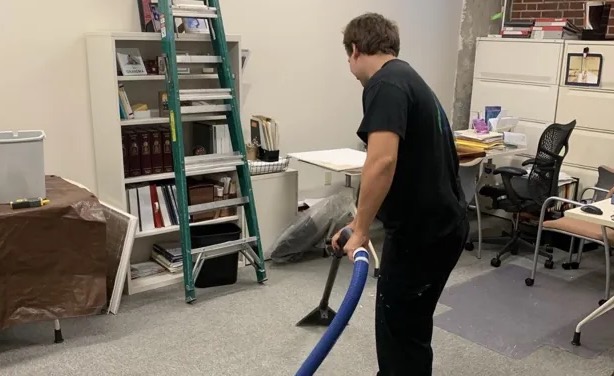
Local Water Damage Mitigation for Cement Residents
Mitigation returns a property to a safe, dry condition, which protects both the home's value and the health of the people in it.
In Cement, about 51 miles from Oklahoma City, local water removal pros dry the structure and repair water-damaged drywall, also serving homes in Cyril, Fletcher and Verden.
The Water Damage Mitigation Process in Cement
Floor Water Damage Cleanup
Water can ruin hardwood, laminate, and tile flooring quickly. The pros assess the flooring type and water source.
Emergency Water Extraction
Professional water extraction addresses visible water. The pros work methodically to pull water from carpets, padding, and hard surfaces.
Water Damaged Drywall Repair
Drywall repair is a common part of water damage mitigation. The pros cut out sagging or stained drywall.
Moisture Detection Inspection
The pros take readings across the wet area and the rooms around it to see where water moved, then place drying equipment where it will do the most good.
Rapid Water Extraction
The pros use high-capacity pumps and vacuums to pull out standing water. This rapid reduction in moisture is a key first step for water damage mitigation in homes throughout Caddo County.
When to Call for Water Damage Mitigation in Cement
Water Dripping From Ceiling
Active dripping, even off and on, means a leak that is wetting the structure every time.
Discolored or Stained Ceiling Tiles
Brown or yellow stains on ceiling tiles or drywall point to a leak from above.
Water Pooling in Basement
Standing water or damp spots that keep coming back in a basement mean water is still getting in.
Sagging or Soft Drywall
Drywall that is sagging, soft to the touch, or has bubbles indicates serious water damage.
How Water Damage Mitigation Works in Cement
Step 1: Initial Water Damage Inspection
The process begins with a detailed water damage inspection to assess the source, extent, and category of water.
Step 2: Water Removal Service
Powerful water extraction equipment is deployed to remove bulk water from floors, carpets, and any pooled areas.
Step 3: Targeted Content Drying Services
Furniture, documents, and other contents are carefully dried on-site using specialized techniques like freeze-drying or desiccant chambers to salvage valuable items.
Step 4: Final Mold Prevention Measures
After drying, the pros apply antimicrobial treatment where needed to help prevent mold.
Frequent Sources of Home Water Damage
HVAC System Condensation Issues
Faulty condensate drain lines or overflowing drip pans from air conditioners can cause hidden water damage.
Natural Flooding From Heavy Rain
Heavy rain or a nearby creek or river overflowing can flood a home.
Sprinkler System Malfunctions
Broken sprinkler heads or lines can saturate exterior walls and seep into the structure over time.
Clogged or Overflowing Gutters
Gutters blocked by debris force water to overflow and pool near the foundation, leading to seepage.
Both Residential & Commercial Water Damage Mitigation in Cement
Residential Water Damage Mitigation
At home, pros extract water from living areas, bedrooms and basements, dry carpet and pad and protect belongings, whether the leak came from an appliance, plumbing or the roof.
Commercial Water Damage Mitigation
For businesses, water damage cleanup must minimize downtime and protect inventory, equipment, and critical documents. The pros handle large-scale extraction from offices, retail floors, and storage areas.
Water Damage Mitigation vs. DIY: When to Call Water Removal Pros
You can document the damage for your insurance by taking clear photos and videos before any cleanup. Make a list of visibly affected items and materials. Avoid using household fans on wet porous materials, as this can spread mold spores. For proper water damage inspection and drying, phone (405) 565-9833 for water damage mitigation.
What Influences Water Damage Mitigation Expenses in Cement
In Cement, cost depends on the water source and how long materials stayed wet. Longer saturation means more work.
Required Drying Time
Longer drying means more equipment time and more monitoring visits, which adds cost.
Mold Prevention Steps
Antimicrobial treatment to prevent mold adds a step and some cost to the job.
Water Source Category
Clean water from a supply line leak costs less to mitigate than contaminated grey or black water, which requires stricter safety protocols.
Does Insurance Cover Water Damage Mitigation?
Whether insurance covers water damage mitigation in Cement depends on the specific policy and cause of loss. The pros document all damage with photos and moisture readings for the homeowner's claim.
Why Choose Local Pros for Water Damage Mitigation in Cement
Mold Prevention Protocols
Antimicrobial treatment and full drying help prevent mold after water damage in your home.
Comprehensive Water Removal
The service includes complete water extraction from floors, walls, and contents, addressing both visible and absorbed moisture effectively.
IICRC-Standard Drying Methods
The pros follow industry drying standards to return your property to a safe, dry condition.
24/7 Emergency Water Damage Mitigation for Cement
If you have active water intrusion in your home in Cement, contact (405) 565-9833 for 24/7 emergency response. The sooner water extraction and structural drying begin, the less secondary damage occurs.
Call Now (405) 565-9833The Water Damage Mitigation Service Area Includes Cement
Water damage mitigation is a critical service for homeowners in Cement and nearby areas like Cyril, Fletcher and Verden.
- Water Damage Mitigation in Cyril
- Water Damage Mitigation in Fletcher
- Water Damage Mitigation in Verden
- Water Damage Mitigation in Anadarko
- Water Damage Mitigation in Sterling
- Water Damage Mitigation in Chickasha
- Water Damage Mitigation in Rush Springs
- Water Damage Mitigation in Pocasset
- Emergency Damage Restoration in 73017
- Storm Damage Restoration in 73017
- Water Damage Restoration in 73017
- Water Extraction Service in 73017
- Water Leak Detection in 73017
- Water Removal Service in 73017
Water Damage Mitigation Information and FAQs
What equipment is used for water removal service?
Pros use truck-mounted or portable extractors for water removal, followed by industrial-grade air movers, dehumidifiers, and moisture meters to dry the structure completely.
Why is moisture detection important for mitigation?
It uses meters to find water hidden inside walls or under floors, so drying does not stop too early.
Is water damage mitigation different from restoration?
Mitigation is the emergency stop-dry-clean phase immediately after the incident. After the structure is dry and stable, restoration is the rebuilding and repair phase that follows.
Does water damage always lead to mold?
Mold can start within 24 to 48 hours in damp conditions. Full drying and antimicrobial treatment help prevent it.
What does structural drying involve?
Air movers and dehumidifiers pull moisture out of wood, drywall and concrete until readings are back to normal.