Cement, OK · Caddo County
Water Damage Restoration in Cement, OKWater Damage Repair & Sewage Cleanup
Water Damage Restoration in Cement covers sewage cleanup, storm damage repair and structural drying.
Answered 24/7
Professional Water Damage Restoration in Cement, OK
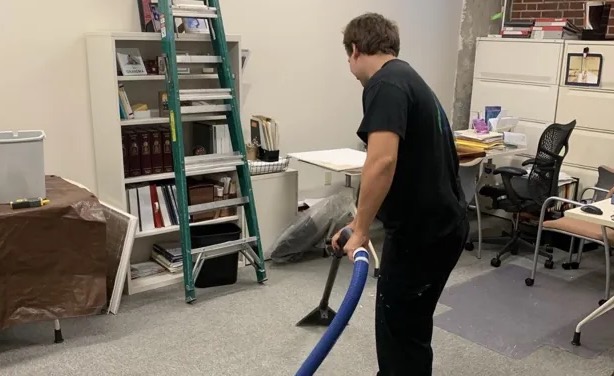
In Cement, acting fast limits disruption and keeps mold from starting. Local water extraction experts clean up the water and dry wet carpet with professional equipment.
In Cement and nearby Cyril, Fletcher and Verden, the pros clean up sewage backups and repair water damage step by step, drying the structure until readings are normal.
Core Water Damage Restoration Methods Used in Cement
Water Damage Repair
Water damage repair reconstructs materials that could not be saved. It includes installing new drywall, baseboards, flooring, and paint.
Sewage Cleanup
Toilet and drain backups bring sewage into the home. The pros in Cement remove the contaminated water and disinfect with strict safety steps.
Water Removal
Powerful extractors pull bulk water from carpets and hard flooring. This initial removal in Cement is a necessary step before structural drying can begin.
Water Extraction
Powerful wands pull water out of carpet, pad and subfloor that pumps cannot reach. Getting more water out up front shortens drying time in Cement homes.
Flood Cleanup
Flood water can carry contaminants. The pros in Cement remove ruined materials, extract the water and apply antimicrobial treatment.
Signs Your Cement Property Needs Water Damage Help
Sagging or Bubbling Drywall
Drywall that swells, sags or bubbles has absorbed a lot of water and needs drying or removal.
High Indoor Humidity Levels
A consistently sticky, humid feeling indoors can indicate poor drying. Professionals use tools to measure and correct moisture levels.
Wet or Damp Attic Insulation
Damp insulation in the attic loses effectiveness and can rot wood. Attic drying and removal may be necessary for proper repair.
Puddles Around Appliances
Standing water near a water heater, washer or fridge means a leak. Call (405) 565-9833 before it spreads further.
How Water Damage Restoration Works in Cement
Step 1: Source Stop and Water Extraction
First, the water source is contained or repaired. Then, experts perform thorough water extraction from all affected surfaces and materials.
Step 2: Air Circulation and Drying
Air movers push air across wet surfaces to speed up evaporation from floors and walls.
Step 3: Antimicrobial Application
After drying, surfaces that stayed wet are treated with an antimicrobial to help keep mold from starting.
Step 4: Repair and Documentation
Any necessary water damage repair is performed to restore the property. Detailed documentation, including photos, is compiled for your insurance provider.
Common Causes of Water Damage in Cement
Roof Leaks From Storm Damage
Wind-driven rain, hail or fallen debris can break through roofing and let water into the home.
Fire Suppression System Activation
Fire sprinklers that discharge during a fire or by accident put a lot of water into a building.
Faulty or Clogged Gutters
Gutters that overflow or detach pour water against the home's siding. This leads to wall and basement water damage over time.
Foundation Cracks and Seepage
Hydrostatic pressure can push groundwater through foundation cracks into basements. Flooded basement cleanup and exterior waterproofing are typical solutions.
Water Damage Restoration for All Property Types in Cement
Residential Water Damage Restoration
Attic water damage from roof leaks can ruin insulation and decking, affecting energy bills. The pros perform attic drying and may remove wet insulation.
Commercial Water Damage Restoration
Warehouses and plants need heavy-duty water removal over large areas after drainage failures or sprinkler discharges, to protect machinery and storage.
Hiring Water Extraction Experts vs. DIY Water Damage Cleanup
Catch a small leak under a kitchen sink with a bucket, dry the cabinet and take out stored items. If the cabinet floor or the wall behind got soaked, have it checked for hidden moisture.
Understanding Water Damage Restoration Costs in Cement
In Cement, moving and storing furniture or belongings so floors can be dried adds labor and affects the final cost.
Area Accessibility
Difficult-to-access areas like crawl spaces or attics may require specialized equipment, increasing the time and cost for the experts to complete the work.
Drying Time Required
How long air movers and dehumidifiers must run affects equipment cost and job length.
Emergency Service Timing
Night and weekend extraction can carry a different rate than work during business hours.
Does Insurance Cover Water Damage Restoration?
Insurance coverage for water damage restoration depends on a policy's cause-of-loss terms. Sudden events like a burst pipe are often covered. Gradual leaks may not be.
Selecting Local Experts for Water Damage Restoration in Cement
Comprehensive Water Extraction
Industrial pumps and extractors remove standing water in homes and commercial buildings.
Content Restoration Focus
Attention is given to salvaging personal belongings through specialized techniques like wet carpet drying and content cleaning, when possible, during the restoration process.
Advanced Moisture Detection
Thermal cameras and moisture meters let the experts find hidden water in walls and subfloors so drying is complete.
Emergency Water Damage Restoration Response for Cement
Sewer backups and major flooding need fast, safe handling. Call (405) 565-9833 24/7 for the experts to start sewage cleanup or water extraction.
Call Now (405) 565-9833Local Water Damage Restoration Areas Near Cement
From Cement to Cyril, Fletcher and Verden, the experts dry wet carpet and structures and repair storm damage.
- Water Damage Restoration in Cyril
- Water Damage Restoration in Fletcher
- Water Damage Restoration in Verden
- Water Damage Restoration in Anadarko
- Water Damage Restoration in Sterling
- Water Damage Restoration in Chickasha
- Water Damage Restoration in Rush Springs
- Water Damage Restoration in Pocasset
- Water Damage Restoration in 73017
Water Damage Restoration Information: Your Questions
Why can mold become a problem after water damage?
Mold can grow in damp materials within 24 to 48 hours. If moisture remains after drying, mold removal may be needed.
What are common causes of residential water damage?
Common causes include plumbing failures like burst pipes, appliance leaks from water heaters or washing machines, roof leaks, and flooding from severe weather.
How do professionals handle a sewage backup cleanup?
Sewage cleanup requires strict safety protocols due to contaminants. The process involves removing the hazardous waste, thorough cleaning and disinfecting affected areas, and often removing porous materials that cannot be adequately sanitized.
Can contents and furniture be restored after water damage?
Many contents can be restored through professional cleaning and drying techniques like ultrasonic cleaning or freeze-drying.
What equipment is used for emergency water extraction?
The experts use truck-mounted or portable submersible pumps for large volumes and industrial-grade wet/dry vacuums for residual water.