ZIP 73028 · Crescent, OK · Logan County
Water Leak Detection in 73028Pipe Leak Detection & Slab Leak Detection
Water Leak Detection in Crescent covers hidden water leak detection, slab leak detection and thermal imaging leak detection.
Answered 24/7
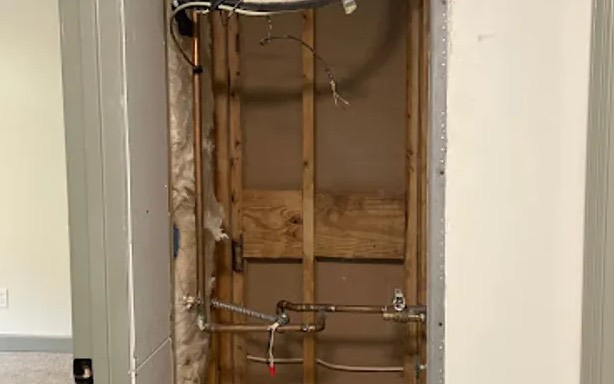
Professional Water Leak Detection in 73028, OK
In Crescent, hidden moisture damages flooring, drywall and foundations and leads to costly repairs. Pros trace the source with specialized equipment instead of tearing out walls to look.
In Crescent and nearby Guthrie, Mulhall and Langston, local pros use thermal cameras and other tools to find leaks in slabs, pipes and walls. Call (405) 565-9833 24/7 for water leak detection in Crescent.
Available Water Leak Detection Services in 73028, OK
Pipe Leak Detection
Pipe leak detection locates failures in both supply and drain lines throughout a property's plumbing system.
Slab Leak Detection
Slab leak detection focuses on finding breaches in plumbing pipes embedded in or under the concrete foundation.
Acoustic Water Leak Detection
By listening for the specific sound frequencies of a leak, acoustic detection pinpoints breaches in pipes underground or encased in concrete.
Whole House Leak Detection
Pros check the home's entire plumbing system for active leaks, so no leak, big or small, is missed.
Thermal Imaging Leak Detection
Infrared cameras provide a visual map for thermal imaging leak detection, showing damp areas in walls or ceilings.
How to Tell If You Need Water Leak Detection
Water Pooling in the Yard
Unexplained soggy patches, lush grass spots, or standing water in your landscaping suggest an outdoor line leak.
Constantly Running Toilet
A toilet that refills on its own or makes a continuous hissing sound may have a hidden leak.
Low Water Pressure Issues
A noticeable drop in water pressure from faucets or showers can point to a leak in the supply line.
Sounds of Running Water
You hear water flowing or dripping within walls or under floors when all taps and appliances are off.
How Water Leak Detection Works in 73028
Step 1: Suspected Leak Analysis
Water leak detection pros analyze descriptions of damp spots or mold growth. This initial assessment helps determine the likely leak type and an appropriate detection approach.
Step 2: Targeted Leak Detection Investigation
The pros focus on the suspected area with the right tools, which speeds up the search.
Step 3: Corroboration with Thermal Imaging
Thermal imaging leak detection visually corroborates findings from other methods. The infrared images provide clear evidence of moisture presence and migration paths.
Step 4: Insurance-Ready Damage Documentation
Every step is documented with photos, videos, and moisture level data. This creates an insurance-ready file, though coverage decisions remain with your insurer.
Plumbing Problems That Require Water Leak Detection
Accidental Physical Damage
Drilling into walls for shelves or driving over yard lines during landscaping can puncture hidden water pipes.
High Water Pressure Stress
Excessively high water pressure strains pipe joints and connections, eventually causing failures and slow leaks within walls.
Water Heater Tank Failures
Internal corrosion or a failing pressure relief valve on a water heater can lead to significant leakage and water damage.
Poor Plumbing Installation
Improperly soldered joints, loose fittings, or incorrect pipe slopes from the initial install create weak points prone to leaking.
Water Leak Detection for Homes and Businesses in 73028
Residential Water Leak Detection
For homes on concrete slabs, finding the exact leak location means the floor is opened in one small spot instead of several.
Commercial Water Leak Detection
In office buildings or retail spaces, slab leaks can go unnoticed until flooring fails or utility costs soar. Professional leak detection for businesses identifies these hidden issues before they cause major operational and financial impacts.
Why DIY Often Fails for Water Leak Detection in 73028
If you suspect a slab leak, feel for warm spots on the floor and look for new foundation cracks. Share those clues with pros, since finding the leak takes specialized tools.
Understanding Water Leak Detection Cost in 73028
Older plumbing and certain pipe materials have more places to leak, which can add time and cost to the search.
Plumbing Complexity
Older plumbing systems or those with numerous branches and fixtures present more areas for potential leaks that require careful evaluation.
Leak Location
Hidden leaks behind walls or under foundations require more sophisticated detection equipment and time to locate, affecting the overall service cost.
Access Difficulty
Slab leak detection or leaks within finished spaces can be harder to access, requiring non-destructive methods that add procedural steps.
Does Insurance Cover Water Leak Detection?
Insurance may cover a sudden, accidental leak. Acoustic or thermal findings from the detection are important for your claim. Pros provide the evidence, but check your policy with your carrier.
Benefits of Local Experts for Water Leak Detection
IICRC-Standard Methods
The approach follows industry-standard guidelines for moisture mapping and documentation, ensuring a systematic process for locating and verifying water intrusion.
Methodical Process
Pros work in a logical order, from the water meter to individual fixtures, to isolate the leak.
Preventative Insight
Identifying a minor leak early through detection can help prevent more extensive water damage and mold growth issues in the future.
Around-the-Clock Water Leak Detection in 73028
Emergency situations like a sudden loss of water pressure or visible pooling require professional leak detection. Get help from local pros by calling (405) 565-9833 at any hour.
Call Now (405) 565-9833Water Leak Detection Service Area Including 73028
For homes in Crescent and surrounding areas like Guthrie, Mulhall and Langston, leak repair starts with finding exactly where the water is coming from.
Frequently Asked Water Leak Detection Questions
How does acoustic water leak detection function?
Sensitive microphones pick up the sound of water escaping a pipe, which helps find the exact spot through walls or soil.
When is emergency leak detection needed?
Emergency leak detection is needed for sudden, significant leaks like a burst pipe or major appliance failure where rapid water loss or visible damage indicates an urgent, hidden source.
What areas of the home are checked during leak detection?
The check focuses on areas with plumbing: behind walls near bathrooms and kitchens, under sinks, around water heaters, beneath slabs, and along the main supply lines throughout the house.
Is leak detection necessary for all water damage?
Not always. When the water source is not obvious, such as ceiling stains or damp walls, finding the leak comes first.
Can water leaks be found without tearing out walls?
Yes, non-invasive methods like thermal imaging leak detection and acoustic surveys are designed to locate many hidden leaks without destructive exploration, preserving your home's finishes.