Cushing, OK · Payne County
Desiccant Dehumidification in Cushing, OKFirefighting Water Drying & Crawl Space Drying
After a flood, Desiccant Dehumidification in Cushing means flood drying services, emergency dehumidification and water damage dehumidification.
Answered 24/7
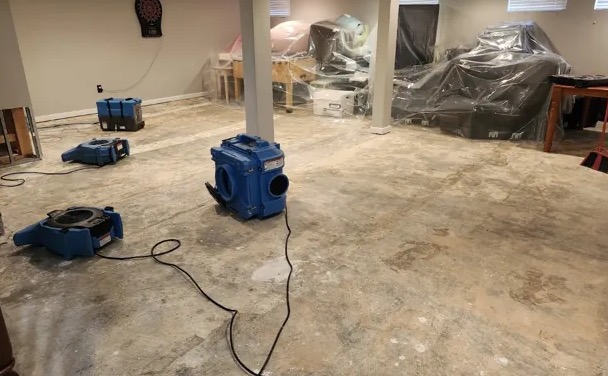
Local Desiccant Dehumidification Services for Cushing
After a fire in Cushing, the water used to put it out soaks rooms well beyond the burned area. That water needs to come out before rebuilding.
Property owners in Cushing can call (405) 565-9833 day or night when water damage needs drying. Service also covers Agra, Tryon and Perkins, with equipment sized to the space.
Desiccant Dehumidification Options Available in Cushing
Firefighting Water Drying
After a fire, water used by firefighters soaks walls, floors and ceilings. Desiccant drying helps dry those materials once debris is cleared.
Crawl Space Drying
Readings on the wood framing are taken at each visit until they return to normal levels.
Construction Drying Services
New construction can trap moisture in concrete, drywall mud and framing. Desiccant units help dry the building before finishes go in.
Flood Drying Services
After floodwater is pumped out, desiccant dehumidifiers can bring the air to very low humidity, which pulls moisture out of walls, floors and framing faster.
Emergency Dehumidification
Help is available any hour to set up drying equipment after a leak or flood, so moisture does not sit overnight in materials.
Red Flags for Desiccant Dehumidification in Cushing Properties
Strong Damp Odor in Rooms
A damp smell that stays in a room after cleanup means materials there are still holding moisture.
Spongy Drywall or Soft Spots
Drywall that feels soft or spongy has absorbed water and may need removal if it does not dry.
Active Mold Spots
Dark spots appearing on walls or ceilings mean materials stayed damp long enough for mold.
Efflorescence on Masonry Surfaces
White, powdery deposits on masonry show water moving through concrete or block.
How Desiccant Dehumidification Works in Cushing
Step 1: Moisture Mapping
Readings across walls, floors and framing show exactly where moisture remains in the building.
Step 2: Equipment Placement
Dehumidifiers and air movers are placed where the moisture readings are highest.
Step 3: Continuous Moisture Extraction
Drying runs until the wettest areas match the rest of the building.
Step 4: Confirmation and Reporting
A report shows the starting and final moisture readings for each area that was dried.
Common Causes for Desiccant Dehumidification in Cushing
New Construction Moisture Trapped
New concrete, drywall mud and framing on job sites hold moisture until they are dried.
Fire Suppression System Activation
Fire sprinklers and firefighting water soak large areas of a building at once.
Plumbing Leaks or Pipe Bursts
Burst pipes and leaking supply lines soak walls and floors that then need drying.
Foundation Cracks and Seepage
Foundation cracks let groundwater seep into lower levels, keeping walls and floors damp.
Desiccant Dehumidification for Homes & Businesses in Cushing
Residential Desiccant Dehumidification
Families can usually stay home during drying, though equipment makes steady noise and some areas may be closed off.
Commercial Desiccant Dehumidification
Builders and contractors use desiccant drying to get slabs and drywall ready for flooring and paint on schedule.
Why DIY Falls Short for Desiccant Dehumidification in Cushing
For a small spill in a warm room, a household dehumidifier and fan may be enough. Call local water damage restoration pros if drywall, flooring or framing got wet or the space is cool and damp.
Factors in Desiccant Dehumidification Pricing for Cushing
The cost of desiccant dehumidification in Cushing depends on the size of the wet area, how wet the materials are and how long the equipment needs to run.
Time of Response
Night, weekend and holiday setup can cost more than a scheduled weekday visit.
Duration of Equipment Use
Drying usually takes several days, and each day of equipment use adds to the total.
Type of Water Damage
Floodwater and sewage need cleaning and removal of materials before drying, which adds cost.
Does Insurance Cover Desiccant Dehumidification?
Many homeowner policies cover drying after sudden water damage, like a burst pipe, but not long-term humidity or groundwater problems. Check your policy and call your insurer early.
The Value of Local Pros for Desiccant Dehumidification in Cushing
Structural Drying
Walls, floors and framing are dried, not just the air in the room.
Large Projects
Large buildings and job sites get drying plans that keep work and business moving.
Desiccant Equipment
Desiccant units are used where they fit, such as cool spaces, crawl spaces and large buildings.
24/7 Desiccant Dehumidification for Cushing Emergencies
Night, weekend or holiday, local water damage restoration pros set up drying equipment in Cushing. Call (405) 565-9833 any time to get drying started.
Call Now (405) 565-9833Desiccant Dehumidification Coverage for Cushing and Beyond
Drying after water damage also covers homes, job sites and businesses in Agra, Tryon and Perkins, close to Cushing.
- Desiccant Dehumidification in Agra
- Desiccant Dehumidification in Tryon
- Desiccant Dehumidification in Perkins
- Desiccant Dehumidification in Stroud
- Desiccant Dehumidification in Carney
- Desiccant Dehumidification in Stillwater
- Desiccant Dehumidification in Chandler
- Desiccant Dehumidification in Bristow
- Emergency Damage Restoration in 74023
- Storm Damage Restoration in 74023
- Water Damage Restoration in 74023
- Water Extraction Service in 74023
- Water Leak Detection in 74023
- Water Removal Service in 74023
Desiccant Dehumidification FAQs
What are the benefits of construction drying services?
Drying slabs and drywall on schedule so flooring and finishes are not installed over damp materials.
What is desiccant dehumidification used for?
Drying spaces after water damage where standard dehumidifiers struggle, such as cool crawl spaces, large buildings and dense materials.
How are moisture levels monitored during drying?
With hygrometers for air and moisture meters for drywall, wood and concrete, checked every day.
What equipment is used for commercial building drying?
High-capacity desiccant or refrigerant dehumidifiers, air movers, moisture meters and sometimes ducting to direct dry air.
What happens after desiccant dehumidification is complete?
Final readings are recorded, equipment is removed and the space is ready for repairs or finishes.