Cement, OK · Caddo County
Rapid Structural Drying in Cement, OKSubfloor Drying & Flood Drying Services
Rapid Structural Drying in Cement involves emergency structural drying, wall cavity drying, and flood drying services from restoration pros.
Answered 24/7
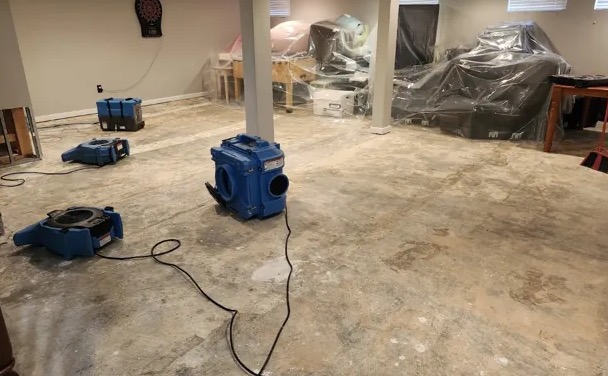
Local Rapid Structural Drying for Cement Homes and Businesses
Concrete slabs, subfloors and wall studs all absorb moisture at different rates. Incomplete drying leaves residual dampness that weakens structures over time.
Fast structural drying is essential for homes throughout Cement. Local structural drying pros provide subfloor drying and crawl space drying to protect foundational elements. Services reach neighboring areas including Cyril, Fletcher and Verden for broader support.
Tailored Rapid Structural Drying for Cement
Subfloor Drying
Wet subfloors can warp, swell, and compromise the floor system. Drying removes moisture from plywood or OSB, often requiring lifted flooring sections to allow direct airflow from above and below.
Flood Drying Services
Widespread flooding presents a unique drying challenge. Services for this scenario involve creating drying chambers and managing airflows across large spaces.
Moisture Mapping Services
Hidden water damage can undermine drying efforts. Moisture mapping services employ thermal imaging cameras and sophisticated meters to detect anomalies behind surfaces.
Emergency Structural Drying
A sudden water event requires a drying protocol. High-capacity dehumidifiers then work to pull moisture from the air and structural components, starting the recovery process.
Crawl Space Drying
Damp crawl spaces promote wood rot, mold, and musty odors. Drying addresses standing water and high humidity with extraction, ventilation, and industrial dehumidification to create a dry, stable environment.
When Rapid Structural Drying is needed
Visible Water Stains on Walls
Yellow or brown stains on drywall or ceilings mean water got into the material and may still be inside.
Musty Odors in Your Home
A musty smell that will not go away usually means moisture is trapped inside walls or under floors.
Mold Growth on Baseboards
Mold appearing along floor edges often points to hidden moisture in wall cavities or subfloors needing extraction.
Soggy or Spongy Drywall
Drywall that feels soft to the touch has absorbed a lot of water and needs drying right away.
How Rapid Structural Drying Works in Cement
Step 1: Emergency Response and Moisture Detection
The pros use meters and thermal cameras to find all wet areas and decide which to dry first.
Step 2: Setup of Airflow and Dehumidification
A balanced system of airflow and structural dehumidification is established to pull moisture from materials and condense it out of the air.
Step 3: Specialized Drying for Concrete and Cavities
Specialized techniques like concrete slab drying and forced cavity drying are applied to address moisture trapped in the most challenging structural components.
Step 4: Final Structural Integrity Confirmation
Final moisture readings are recorded for each area to confirm the structure is dry before repairs begin.
Common Causes of Water Damage Requiring Rapid Structural Drying in Cement
Poor Ventilation in Enclosed Spaces
Inadequate airflow in crawl spaces or wall cavities traps moisture, promoting rot and mold that experts must address.
HVAC System Condensation Issues
Clogged drain lines or faulty condensate pumps from air handlers can cause significant water damage inside walls and ceilings.
Foundation Cracks and Water Seepage
Cracks in a foundation or basement wall permit groundwater intrusion, which can saturate concrete slabs and framing.
Roof Leaks From Storm Damage
Wind-driven rain or damaged shingles allow water to infiltrate attics and wall cavities, leading to widespread structural moisture.
Rapid Structural Drying for Homes and Businesses
Residential Rapid Structural Drying
Homeowners face risks from hidden moisture in attics and crawl spaces. Emergency structural drying services use air scrubbers and focused drying to safeguard indoor air quality and the home's structural integrity from slow leaks.
Commercial Rapid Structural Drying
Warehouses and industrial facilities need large-scale drying for wide concrete floors. Professionals employ drying strategies and moisture mapping to prevent corrosion of inventory and structural components.
When DIY Methods Are Not Enough for Rapid Structural Drying
You can pull up soaked rugs and padding so the subfloor can start drying. Check other rooms for signs of spreading moisture, such as damp baseboards or swelling trim.
Understanding Rapid Structural Drying Investment
In Cement, the cost of professional structural drying is influenced by the number of rooms affected and the type of materials involved. Drying thick concrete slabs or enclosed wall cavities typically requires more resources.
Access and Complexity
Difficult-to-reach areas like tight crawl spaces or behind finished walls add labor time to the emergency structural drying process.
Affected Structural Materials
Drying dense materials like concrete slabs or enclosed wall cavities demands specialized techniques and longer durations than drying open areas.
Secondary Damage Prevention
Efforts to prevent mold growth during the drying process, such as applying antimicrobials, can be a factor in the service cost.
Does Insurance Cover Rapid Structural Drying?
Whether residential structural drying is covered depends on your insurer's interpretation of the cause. You are responsible for filing the claim and discussing coverage specifics with your insurance agent.
Why Choose Local Pros for Rapid Structural Drying in Cement
Focus on Structural Integrity
The process prioritizes drying the building structure itself, including wall cavities and subfloors, to protect its stability.
Prevention of Mold Growth
Rapid drying helps control humidity levels, creating an environment less conducive to mold development after water intrusion.
IICRC-Standard Drying Methods
Drying follows set targets checked with meters, which prevents damage from moisture left behind.
Emergency Moisture Removal for Cement
The first 24 to 48 hours after a leak matter most for drying. If you have standing water or soaked walls, call (405) 565-9833 to start drying.
Call Now (405) 565-9833Rapid Structural Drying in Cement and Nearby Areas
The pros dry homes and businesses in Cement after water damage, and also serve nearby locations including Cyril, Fletcher and Verden.
- Rapid Structural Drying in Cyril
- Rapid Structural Drying in Fletcher
- Rapid Structural Drying in Verden
- Rapid Structural Drying in Anadarko
- Rapid Structural Drying in Sterling
- Rapid Structural Drying in Chickasha
- Rapid Structural Drying in Rush Springs
- Rapid Structural Drying in Pocasset
- Emergency Damage Restoration in 73017
- Storm Damage Restoration in 73017
- Water Damage Restoration in 73017
- Water Extraction Service in 73017
- Water Leak Detection in 73017
- Water Removal Service in 73017
Rapid Structural Drying FAQs
What is involved in subfloor drying?
Subfloor drying involves using specialized air movers and dehumidifiers to draw moisture out of the wooden or concrete layer beneath flooring, often requiring access panels or strategic placement of equipment.
What areas of a home need structural moisture removal?
Structural moisture removal often targets concealed areas like behind walls, under floors, within ceiling cavities, and in support beams where water can linger and cause hidden damage.
When is crawl space drying necessary?
Crawl space drying is necessary when flooding or high humidity saturates this enclosed area, as trapped moisture can damage foundation piers, joists, and lead to mold growth throughout the home.
What is rapid structural drying?
Rapid structural drying is a focused water mitigation process using industrial equipment to quickly remove moisture from building materials like walls, floors, and substructures to prevent further damage.
What happens if wall cavity drying is delayed?
Delayed wall cavity drying allows moisture to promote mold growth inside walls, degrade insulation, and potentially weaken drywall or wooden studs, leading to more extensive and invasive repairs.