Cement, OK · Caddo County
Standing Water Removal in Cement, OKCrawl Space Water Extraction & Laundry Room Flood Cleanup
Standing Water Removal in Cement addresses water heater leak cleanup, laundry room flood cleanup, and commercial property water removal quickly.
Answered 24/7
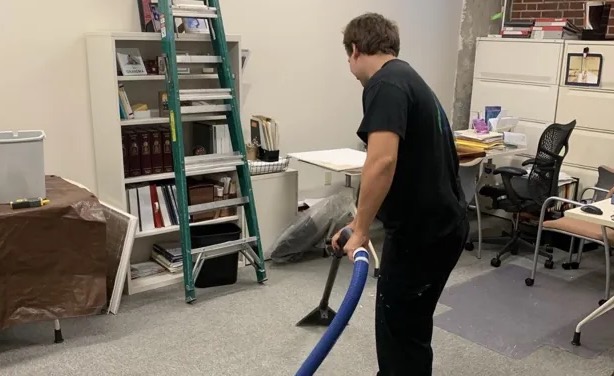
Expert Standing Water Removal for Cement Properties
In Cement, stagnant water breeds allergens and germs. Water extraction experts remove it and dry the home to industry standards.
In Cement, homes and businesses get standing water from plumbing failures and storms. The experts remove it from basements and commercial spaces near Cement, including Cyril, Fletcher and Verden.
Complete Standing Water Removal Process in Cement
Crawl Space Water Extraction
Crawl space water promotes mold and wood rot. Low-profile extraction tools remove standing water from these confined areas to protect subfloors.
Laundry Room Flood Cleanup
Standing water from a laundry room leak can damage flooring and drywall. Experts perform complete water extraction and assess hidden moisture behind appliances.
Water Heater Leak Cleanup
Water heater leak cleanup starts with pumping or extracting the standing water, then drying the slab, baseboards and nearby walls with air movers and dehumidifiers.
Standing Water Sanitization
Flood water is often contaminated. After it is removed, pros apply EPA-registered antimicrobial agents to the surfaces it touched.
Emergency Water Pump Out
In a severe flood, truck-mounted pumps lower the water level fast so the structure stops soaking.
When to Call for Standing Water Removal in Cement, OK
Damp Carpet or Flooring
Carpets or floors that stay damp for hours after a leak mean water is trapped below the surface.
Mold or Mildew Growth
Mold or mildew patches mean water has been sitting somewhere for days.
Swollen Wood or Flooring
Swelling in wood floors, cabinetry, or door frames points to prolonged moisture exposure from standing water needing removal.
Wet or Sagging Drywall
Discolored, wet, or sagging drywall often hides significant standing water inside wall cavities that requires expert water extraction.
How Standing Water Removal Works in Cement
Step 1: Initial Inspection and Containment
The pros inspect the extent and type of water. They may contain the area to limit moisture spread before beginning the standing water cleanup process.
Step 2: Bulk Water Removal Process
Submersible pumps and extractors are used for bulk water removal. This step rapidly lowers water levels, whether for basement water removal or commercial spaces.
Step 3: Targeted Moisture Extraction
Specialized tools extract moisture from materials like concrete, wood, and drywall. This precise water extraction prevents hidden dampness that leads to long-term damage.
Step 4: Verification Drying and Documentation
Pros confirm dryness with moisture meters and document conditions for your insurer.
Typical Sources of Standing Water in Cement
Natural Groundwater Rise
Groundwater that rises after heavy rain can seep into crawl spaces and pool under the house.
Foundation Cracks and Seepage
Hairline cracks in the foundation or basement walls let groundwater seep in.
Clogged or Failed Drains
Blocked floor drains and sewer backups leave wastewater pooling on the floor.
Appliance Hose Failures
Burst washing machine hoses and leaking dishwasher lines are common sources of standing water in laundry rooms and kitchens.
Standing Water Removal for Homes and Businesses in Cement
Residential Standing Water Removal
Local pros pump standing water out of basements, garages and laundry rooms, then dry and sanitize the area.
Commercial Standing Water Removal
For a sump pump failure or major leak at your business, pros handle everything from the emergency pump out to final drying.
Standing Water Removal vs. DIY: When to Call Water Damage Pros
If safe and the electrical panel is off, you can remove small amounts of visible water with a wet-dry vacuum or mop. For any significant pooling, hidden moisture, or if the water source is contaminated, call the pros for proper standing water extraction and drying.
Investing in Professional Standing Water Removal in Cement
Extra work, like sanitizing after a flood or drying wet carpet and pad, adds to the total cost of the job.
Required Sanitization
If bacteria is suspected, the standing water sanitization step adds antimicrobial treatments to the experts' protocol.
Water Source & Category
Clean water from a supply line is simpler to address than contaminated water from a sewer or flood, which requires more intensive standing water cleanup.
Emergency Timing
A 24/7 emergency water pump out call, especially at night or on weekends, affects the service rate for early action needed.
Does Insurance Cover Standing Water Removal?
If a sump pump failure floods your basement, check your policy for a sump pump overflow endorsement. Standard policies often exclude it.
The Value of Local Pros for Cement Standing Water Removal
Containment & Air Filtration
Containing the work area and filtering the air controls cross-contamination and airborne particles during the standing water cleanup and drying process.
Content Handling Protocols
Furniture and belongings are carefully moved, evaluated, and included in the drying plan during residential water removal or commercial recovery jobs.
24/7 Emergency Response
Quick action limits the spread of water damage. The pros are available around the clock for urgent calls like a basement water removal crisis.
Emergency Standing Water Removal Response for Cement
Water still coming into a Cement property? Call (405) 565-9833. Help is available 24/7 to remove it and limit the damage.
Call Now (405) 565-9833Standing Water Removal for Cement and Surrounding Communities
After a flood in Cement, the pros pump out and clean up standing water, here and in surrounding towns including Cyril, Fletcher and Verden.
- Standing Water Removal in Cyril
- Standing Water Removal in Fletcher
- Standing Water Removal in Verden
- Standing Water Removal in Anadarko
- Standing Water Removal in Sterling
- Standing Water Removal in Chickasha
- Standing Water Removal in Rush Springs
- Standing Water Removal in Pocasset
- Emergency Damage Restoration in 73017
- Storm Damage Restoration in 73017
- Water Damage Restoration in 73017
- Water Extraction Service in 73017
- Water Leak Detection in 73017
- Water Removal Service in 73017
Common Standing Water Removal Questions Answered
What equipment is used for garage flood water cleanup?
Depending on the floor type, industrial extractors, squeegees, and air movers are used. The process also focuses on drying any stored items and checking for moisture in adjoining walls.
Why is 24/7 availability important for emergency water removal?
Water damage does not wait for business hours. 24/7 availability for emergency water removal means a faster response, which directly limits the extent and cost of the resulting damage.
How quickly should standing water extraction begin after a flood?
To prevent severe water damage and mold growth, extraction should start within 24 to 48 hours.
How long does the water mitigation drying process typically take?
Drying times vary by material and saturation but often take 3 to 5 days with professional equipment.
Is residential water removal a DIY job?
Household tools leave moisture in walls and subfloors, which leads to mold and rot. Pros use moisture meters to confirm everything is dry.