Cement, OK · Caddo County
Temperature-Controlled Drying in Cement, OKAir Mover Placement For Drying & Rapid Structural Drying Services
Temperature-Controlled Drying in Cement includes moisture mapping, rapid structural drying services and water damage drying logs from local temperature-controlled drying specialists.
Answered 24/7
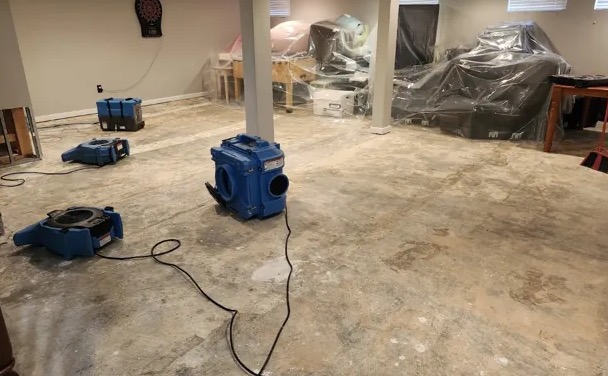
Temperature-Controlled Drying by Local Moisture Control Experts in Cement
In Cement, water trapped in subfloors, wall cavities or behind cabinets dries slowly because the air there does not move.
In Cement and nearby Cyril, Fletcher and Verden, local pros take baseline moisture readings, then run air movers and dehumidifiers and log moisture levels as they drop.
Comprehensive Temperature-Controlled Drying Solutions for Cement
Air Mover Placement for Drying
Expert deployment of air movers displaces the saturated air layer clinging to wet materials. Proper placement helps ensure every surface receives directed airflow, the engine of evaporation.
Rapid Structural Drying Services
The specialists aim air movers at wet studs, joists and subfloors to dry the structure safely.
Climate-Controlled Drying Systems
For complex jobs, the specialists use industrial equipment to keep humid air from re-wetting materials, so walls dry all the way through.
Drying Equipment Deployment
The specialists choose the mix of air movers, dehumidifiers and heaters from the size of the area, the materials and the moisture levels, then set it up to run safely.
Water Damage Drying Logs
Key data like psychrometric readings and material moisture content are meticulously recorded. These logs show a clear trend toward dryness, confirming the job's success.
Signs You Need Professional Temperature-Controlled Drying in Cement
Soft Drywall or Sagging Ceiling
Drywall feels spongy to the touch or a ceiling sags downward. This softness means the material is saturated and structurally compromised.
Paint Peeling or Bubbling Up
Paint loses adhesion and forms bubbles or peels away from the wall. This failure is caused by moisture trapped beneath the paint film.
Damp Odors Persisting After Water
A musty smell lingers even after visible water is gone, indicating hidden moisture. That odor often signals mold or trapped dampness.
Moisture Meter Shows High Readings
A moisture meter reading high inside walls or floors means drying is not finished.
How Temperature-Controlled Drying Works in Cement
Step 1: Site Evaluation and Equipment Planning
The pros evaluate the site to determine the type and quantity of drying tools needed.
Step 2: Drying Equipment Setup
Industrial air movers and dehumidifiers are set up in the affected zones right away.
Step 3: Controlled Humidity Management
Dehumidifiers pull moist air out of the room, which keeps the air dry enough for materials to keep drying.
Step 4: Progress Tracking With Drying Logs
Temperature, humidity and moisture readings are recorded each day in a drying log.
Sources of Water Intrusion Needing Moisture Removal in Cement
Roof Leak During Heavy Rain
Wind-driven rain through a damaged roof or flashing can run down inside wall cavities, where it needs targeted drying.
Undetected Plumbing Leaks
A slow drip behind a wall or under a slab saturates materials over time.
Poor Ventilation After a Flood
Closing up a wet room traps humid air, which slows drying and lets moisture soak further into materials.
Sprinkler System Activation
A fire sprinkler discharges, releasing a large volume of water quickly. This event saturates entire areas and requires precise air mover placement and strategy.
Whole-Property Temperature-Controlled Drying in Cement
Residential Temperature-Controlled Drying
At home, the pros dry wall cavities, subfloors and belongings with air movers and dehumidifiers, and keep drying logs for your insurance review.
Commercial Temperature-Controlled Drying
For businesses, rapid drying minimizes downtime and protects inventory, equipment, and building integrity. Large-scale drying systems are implemented to address moisture in offices, retail spaces, and warehouses.
Professional Temperature-Controlled Drying vs. Do-It-Yourself in Cement
A home's HVAC on 'fan only' mode can circulate air, but it is not a substitute for professional drying. A wet-dry vacuum can remove standing water from a very localized incident.
Factors in Temperature-Controlled Drying Pricing for Cement, OK
In Cement, the price depends on the square footage, how long drying runs and which drying systems are used.
Access and Logistics
Challenging site access in Cement can complicate equipment deployment and placement, potentially increasing setup time and labor requirements.
Moisture Mapping Complexity
Checking moisture in layered floors or hidden cavities takes more time and equipment.
Extent of Water Damage
The larger the area that needs drying, the more equipment and labor the job takes.
Does Insurance Cover Temperature-Controlled Drying?
Coverage is not automatic and depends on your policy. Local pros provide humidity readings and equipment logs for your claim file. Your insurer decides what is covered.
Benefits of Local Specialists for Temperature-Controlled Drying in Cement
IICRC-Standard Drying Methods
Drying follows industry guidelines and is checked with meters, which keeps framing and floors from staying wet.
Humidity Control for Restoration
Keeping the air dry draws moisture out of materials until the space is stable.
Comprehensive Drying Logs
Detailed, chronological logs of moisture readings and equipment settings provide a transparent record of the entire temperature-controlled drying process.
Emergency Moisture Control in Cement
Don't let moisture settle in. For emergency deployment of drying equipment and strategic air mover placement to start controlled drying, reach the specialists directly at (405) 565-9833, available 24/7.
Call Now (405) 565-9833Temperature-Controlled Drying Serving Cement and Nearby Areas
A detailed approach to moisture control, including humidity regulation and systematic drying equipment deployment, benefits homes throughout Cement. The process also serves properties in the broader Cyril, Fletcher and Verden region.
- Temperature-Controlled Drying in Cyril
- Temperature-Controlled Drying in Fletcher
- Temperature-Controlled Drying in Verden
- Temperature-Controlled Drying in Anadarko
- Temperature-Controlled Drying in Sterling
- Temperature-Controlled Drying in Chickasha
- Temperature-Controlled Drying in Rush Springs
- Temperature-Controlled Drying in Pocasset
- Emergency Damage Restoration in 73017
- Storm Damage Restoration in 73017
- Water Damage Restoration in 73017
- Water Extraction Service in 73017
- Water Leak Detection in 73017
- Water Removal Service in 73017
Common Temperature-Controlled Drying Questions Answered
How is drying progress verified during moisture monitoring?
Progress is verified by taking comparative moisture readings with penetrating and non-penetrating meters over time, ensuring levels drop to established dry standards for each material.
How long does the temperature-controlled drying process take?
It depends on the damage, the materials and the conditions. Pros monitor readings and stop when moisture goals are met.
When is climate-controlled drying necessary versus regular drying?
Climate-controlled drying is necessary for severe losses, sensitive materials, or when precise environmental control is needed to prevent damage, unlike simple air drying for minor spills.
What materials benefit most from controlled drying systems?
Porous structural materials like drywall, wood framing, and concrete, as well as contents like documents and furniture, benefit greatly from controlled, gradual drying to prevent ruin.
Can temperature-controlled drying prevent mold growth?
By rapidly removing moisture and controlling humidity, the process creates an environment where mold cannot thrive, significantly reducing the potential for mold.