Cement, OK · Caddo County
Water Damage Inspection in Cement, OKPost-Flood Damage Assessment & Ceiling Water Damage Inspection
Water Damage Inspection in Cement covers wall cavity moisture check, ceiling water damage inspection and subfloor moisture detection.
Answered 24/7
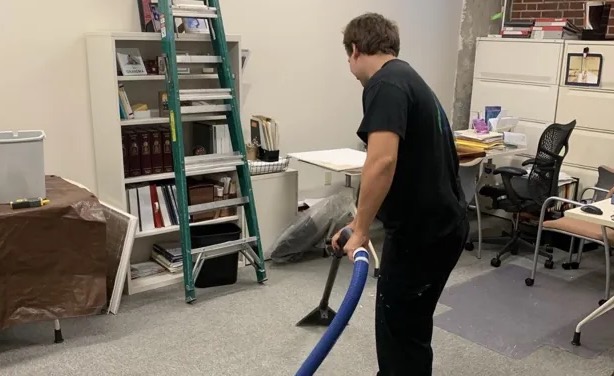
Professional Water Damage Inspection in Cement, OK
In Cement, an inspection after a storm or plumbing failure shows how far the water went, which sets the drying plan.
In Cement and nearby Cyril, Fletcher and Verden, local pros use infrared scans and wall cavity checks to find moisture after pipe leaks or appliance overflows.
Complete Water Damage Inspection Solutions in Cement
Post-Flood Damage Assessment
Pros go through every area the water reached, including structure and contents, and write a report with photos and moisture readings for properties in Cement.
Ceiling Water Damage Inspection
Ceiling inspection identifies leaks from roofs or upstairs plumbing before structural failure. In Cement, water damage inspectors assess stain patterns and material integrity.
Post-Remediation Verification
Local water damage assessment pros compare readings after drying with readings from dry areas, so no hidden dampness is left to grow mold.
Subfloor Moisture Detection
The pros perform systematic moisture mapping to identify wet areas not visible from above.
Infrared Moisture Inspection
Thermal cameras show cool, damp areas inside walls and ceilings. Pros in Cement use the scans to see where water has moved and where drying should go.
Do You Need a Water Damage Inspection in Cement?
Sagging or Soft Drywall
Walls or ceilings that feel spongy or appear to sag hold significant water. Structural integrity can be compromised.
Unexplained Water Meter Spikes
A steadily climbing water bill with no obvious use suggests a hidden leak. Professional leak detection and inspection is needed.
Stained or Damp Insulation
Wet attic insulation loses effectiveness and can cause roof deck rot. An attic moisture inspection can assess the damage.
Discoloration on Walls
Yellow, brown, or dark stains on drywall or ceilings suggest water intrusion. These marks may appear long after the initial leak.
How Water Damage Inspection Works in Cement
Step 1: Site Survey and Interview
The pros discuss the history of the water issue with you and survey the property to understand the context of the damage.
Step 2: Non-Destructive Moisture Testing
Using industry-standard methods, they test building materials without unnecessary damage, identifying wet areas versus dry reference zones.
Step 3: Hidden Water Damage Location
The core task is finding hidden water damage in areas like wall cavities, under cabinets, and within ceiling plenums using sensor data.
Step 4: Findings Summary and Next Steps
You receive a straightforward summary of what was found, what it means, and the recommended actions for drying and repair.
Typical Water Intrusion Issues in Cement
Sprinkler System Line Breaks
Underground irrigation lines can crack from freezing or root intrusion, saturating the soil and foundation continuously.
Window and Door Seal Failure
Failed caulking or weather stripping allows driving rain to penetrate, soaking framing and insulation around openings.
Foundation Cracks and Seepage
Hydrostatic pressure forces groundwater through cracks in basement walls or slab foundations, leading to chronic dampness.
Sewer Line Backups or Breaks
A collapsed or blocked main sewer line can force contaminated water back into drains, flooding basements.
Water Damage Inspection for Homes and Businesses in Cement
Residential Water Damage Inspection
A ceiling inspection finds where a stain is coming from, such as a roof leak or a bathroom above, and whether the drywall can be saved.
Commercial Water Damage Inspection
For warehouses or gyms, a post-flood damage assessment determines if flooring systems and stored inventory are salvageable. The pros check for lingering moisture in concrete slabs and behind masonry walls to inform the recovery plan.
Water Damage Inspection vs. DIY: When to Call Local Pros
Documenting visible damage with photos is helpful for your insurance records. Note the date and what you see. A full water damage assessment by the pros provide the moisture readings and detailed scope insurers often need.
Pricing for Professional Water Damage Inspection in Cement
In Cement, a full inspection including attic and subfloor checks costs more than a quick look at one room.
Property Size
Larger homes in Cement require more time for a thorough water damage check, increasing the inspection scope and associated service costs.
Follow-Up Checks
A follow-up check to confirm drying is complete adds to the cost.
Equipment Used
Infrared cameras and specialized leak detection equipment affect the price of the inspection.
Does Insurance Cover Water Damage Inspection?
A water damage inspection for gradual leaks, like from a slow pipe drip, may not be covered by standard policies. The inspection report from the pros still provides essential documentation of the problem's scope.
Benefits of Local Pros for Water Damage Inspection in Cement
Comprehensive Moisture Mapping
The inspection doesn't just find wet spots; it maps the full extent of moisture migration to identify all affected areas.
24/7 Emergency Response
Help is available for urgent situations like post-flood damage assessment to begin the documentation process promptly.
Clear Assessment Reporting
You receive a straightforward explanation of the inspection findings, including the source, extent, and recommended actions for the water damage.
24/7 Water Damage Inspection for Cement Emergencies
Active water coming in through a ceiling or floor? Call (405) 565-9833 24/7 for the pros to inspect ceilings and subfloors.
Call Now (405) 565-9833Extended Water Damage Inspection Area from Cement
From Cement to Cyril, Fletcher and Verden, property owners rely on detailed water damage checks. Infrared moisture inspection helps find moisture in walls and subfloors that isn't visibly apparent.
- Water Damage Inspection in Cyril
- Water Damage Inspection in Fletcher
- Water Damage Inspection in Verden
- Water Damage Inspection in Anadarko
- Water Damage Inspection in Sterling
- Water Damage Inspection in Chickasha
- Water Damage Inspection in Rush Springs
- Water Damage Inspection in Pocasset
- Emergency Damage Restoration in 73017
- Storm Damage Restoration in 73017
- Water Damage Restoration in 73017
- Water Extraction Service in 73017
- Water Leak Detection in 73017
- Water Removal Service in 73017
Water Damage Inspection FAQ for Cement Homeowners
Is post-remediation verification necessary?
A follow-up inspection confirms drying is complete and moisture levels are normal, providing assurance that hidden areas like subfloors are truly dry and preventing future issues.
What happens during hidden leak detection?
Pros systematically use sound detection, infrared imaging, and moisture probes to trace the source of a leak you can hear or see effects of but not locate.
Is attic water damage included in a standard inspection?
Yes, attic moisture inspection checks for leaks from roofs, condensation issues, and wet insulation, which can lead to mold and structural problems if not addressed.
How does subfloor moisture detection work?
Pros use penetrating and non-penetrating moisture meters to check moisture content in subflooring materials, identifying wet areas that may not be visible from above.
Why get a ceiling water damage inspection?
To find leaks from the roof or plumbing above, check stains and sagging, and decide whether the ceiling needs drying or repair.